
What makes a bottle right?
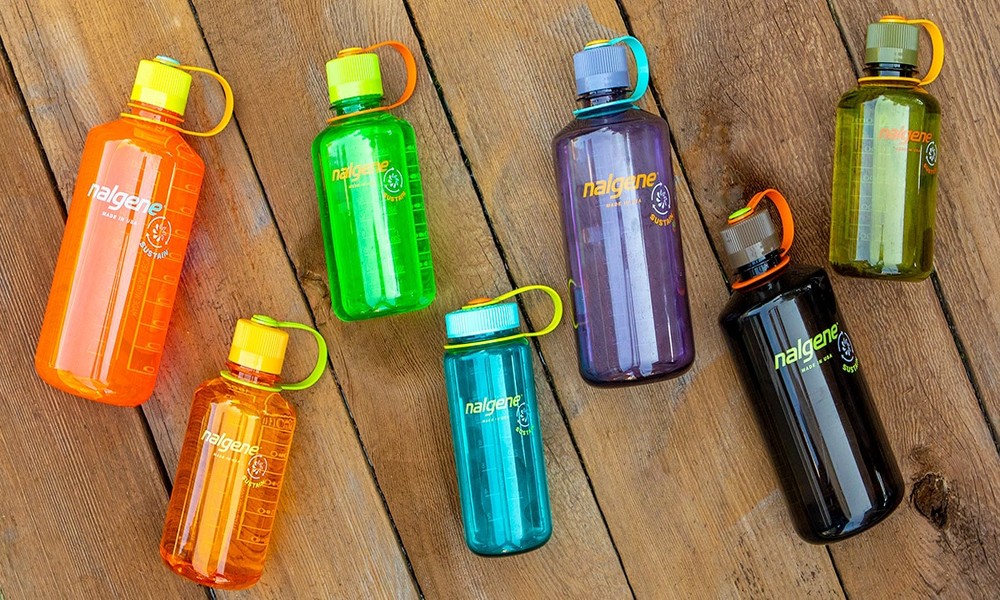
Nobody thinks too hard about this until two or three bottles have come and gone without ever quite working. Wrong size. A lid that needs both hands. Too heavy full. Sits awkwardly in every bag tried. The selection process feels simple from the outside, but the daily reality of actually using something tells a different story. Custom Nalgenes containers run on BPA-free recycled resin that holds its condition across years of regular handling. That part takes care of itself. What does not sort itself out automatically is whether the format actually fits how the day runs. A desk-based routine needs something different from a day split between commuting, outdoor time, and physical activity. Most people pick based on what looks right rather than what works right. That gap is where most bottle selections fall short within the first few months of use.
What size works daily?
Size affects daily use more directly than most people account for during selection.
- 16 oz suits shorter outings or desk use, where refilling is easy and frequent.
- 24 oz covers most standard daily hydration needs across moderate activity levels.
- 32 oz reduces refilling frequency for active or outdoor-heavy days.
- 48 oz suits high-output days where access to refilling points is limited.
Choosing a size that matches actual daily movement patterns rather than an ideal version of the day produces far more consistent use over time.
Lid type selection
- Lid choice shapes the practical experience of using a bottle every single day. Wide mouth openings refill quickly and clean easily, making them practical for varied daily use across multiple settings. Narrow mouth openings suit steady drinking during movement, where spill control matters more than refill speed.
- Push-button lids add one-handed access that works well during commutes or activity. Standard screw caps offer a secure seal for bag carry, where leak resistance takes priority. Neither type is universally better. The right one depends entirely on what the day requires most consistently.
Matching use to context
Daily contexts vary more than a single bottle selection typically accounts for. A few honest questions during selection narrow the options considerably.
- Does the day involve significant physical movement or mostly stationary use?
- How often does refilling happen, and how accessible are those points throughout the day?
- Does the bottle go into a bag regularly or stay on a desk or surface?
- Is one-handed access needed during movement, or is two-handed opening acceptable?
- Does the capacity need to cover several hours of use or just shorter intervals?
- Does the bottle need to handle temperature changes between indoor and outdoor environments across the day?
Working through these points before selecting produces a match that holds up across real daily conditions rather than performing well only in the best-case version of how the day goes.
A bottle selected around actual daily patterns rather than general preference stays in use far longer. That practical fit between format and routine is what separates a bottle that becomes a habit from one that gets replaced within a few months.