

A waterproofing company Singapore property owners trust is one that understands the relationship between Singapore’s climate and its buildings well enough to recommend the right solution for the right application, not simply the most popular product or the one with the highest margin. Waterproofing is not a generic service. The correct approach for a flat roof is different from the correct approach for a bathroom floor, which is different again from the correct approach for a basement retaining wall or an above-ground planter box.
Why Waterproofing Matters in Singapore
Singapore’s geography and climate create demanding conditions for building envelopes. The country receives over 2,300 millimetres of rainfall annually, concentrated in intense downpours that can deliver 50 millimetres or more in an hour during monsoon periods. This water falls on every horizontal and near-horizontal surface, and it finds any weakness in a waterproofing system quickly.
At the same time, Singapore’s tropical temperatures drive significant thermal expansion and contraction in building materials throughout the day. These cycles stress waterproofing membranes and sealants over time, opening hairline cracks that become infiltration paths under the next heavy rainfall. A waterproofing system that cannot accommodate this movement will fail earlier than one that is designed with flexibility in mind.
Types of Waterproofing Systems
A professional waterproofing company Singapore will assess the application and recommend a system appropriate to its specific demands. The main categories of waterproofing system in use in Singapore each have distinct characteristics.
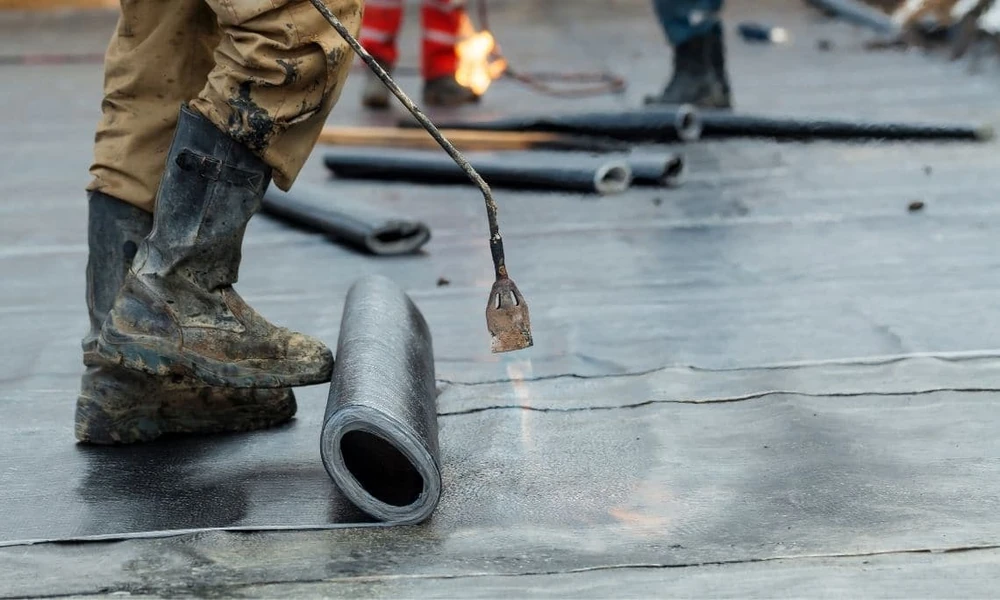
- Bituminous membrane systems – torch-on modified bitumen membranes are widely used on flat roofs and podium decks. They provide a robust, seamless barrier when correctly installed, and their bonded-surface installation gives them good resistance to uplift and puncture.
- Liquid-applied membranes – polyurethane and cementitious slurry systems that are applied by brush or roller. They conform to complex geometries, are suitable for wet areas including bathrooms and water features, and can be applied to surfaces with penetrations and upstands without the detailing challenges that sheet membranes present.
- Crystalline waterproofing – products that work by generating crystals within the pores of concrete, blocking water passage without forming a surface film. Particularly suitable for basement walls and foundations where surface coatings would be subject to hydrostatic pressure from the outside.
- Injection grouting – a repair method rather than a primary system, used to seal cracks and construction joints in concrete structures that are allowing water passage. Suitable for active leaks in concrete retaining walls and basements.
Choosing the Right Waterproofing Solution
The selection of a waterproofing system should be driven by the application requirements, not by the availability of materials. A company recommending the same product for every job is not providing genuine technical advice – it is selling a product.
Key factors that inform system selection include the substrate type and condition, the expected water head, the degree of structural movement expected, the surface temperature range, the available application window, and the client’s maintenance capacity. An experienced waterproofing specialist will work through these factors systematically before recommending a system.
Common Waterproofing Failures and How to Avoid Them
Most waterproofing failures in Singapore buildings are not the result of using the wrong product. They are the result of inadequate substrate preparation, poor workmanship at penetrations and transitions, or insufficient thickness of the applied system.
Substrate preparation is foundational. A waterproofing membrane applied to a damp, contaminated, or structurally unstable substrate will delaminate or fail prematurely regardless of the membrane quality. The surface must be clean, dry, structurally sound, and primed where required before any membrane is applied.
Transitions and penetrations are consistently the most failure-prone areas in any waterproofing system. Pipes, drains, upstands, and expansion joints all create points where the membrane must transition from one plane or material to another. “Poor detailing at these junctions is responsible for the majority of waterproofing failures we see,” said Dr Chung Kin Wah of the Building and Construction Authority. Experienced installers spend disproportionate time and care at these details, which is why the quality of the tradesman matters as much as the quality of the product.
Maintenance and Longevity
Even well-installed waterproofing systems require periodic maintenance to achieve their full service life. Flat roofs and podium decks should be inspected annually and after significant weather events. Drains must be kept clear to prevent water ponding, which stresses the membrane and accelerates degradation.
Visible damage – blistering, cracking, or separation at laps and flashings – should be addressed promptly. Small repairs are significantly cheaper than full membrane replacements, and early intervention prevents water from reaching the substrate and causing structural damage.
The best waterproofing company Singapore providers will offer maintenance programmes alongside their installation services, ensuring that the systems they install receive the periodic attention that extends their useful life and protects the building owner’s investment over the long term.