
Key Highlights
- Scheduling laundry and dishwashing for late-night or early-morning hours can lower costs significantly.
- Charging electric vehicles and high-capacity portable devices during off-peak windows is highly efficient.
- Meal preparation using energy-intensive appliances like ovens is best done outside of peak demand hours.
- Aligning heavy air conditioning use with lower-rate periods helps manage the largest part of a utility bill.
Introduction
In the quest to manage household expenses, many residents are looking for more than just a low flat rate from their electricity provider in Singapore. They are turning to “Time-of-Use” or peak and off-peak pricing models. These plans offer different rates depending on when you consume energy, incentivising users to shift their heavy usage away from periods of high demand. To benefit from these plans, one must understand the cheapest time to use electricity. For households with flexible schedules or those who can automate their appliances, these plans offer a unique opportunity to reduce monthly bills without necessarily reducing total energy consumption. By strategically timing your most power-hungry routines, you can take full advantage of the price fluctuations throughout the day and night.
1. Strategic Laundry and Cleaning Routines
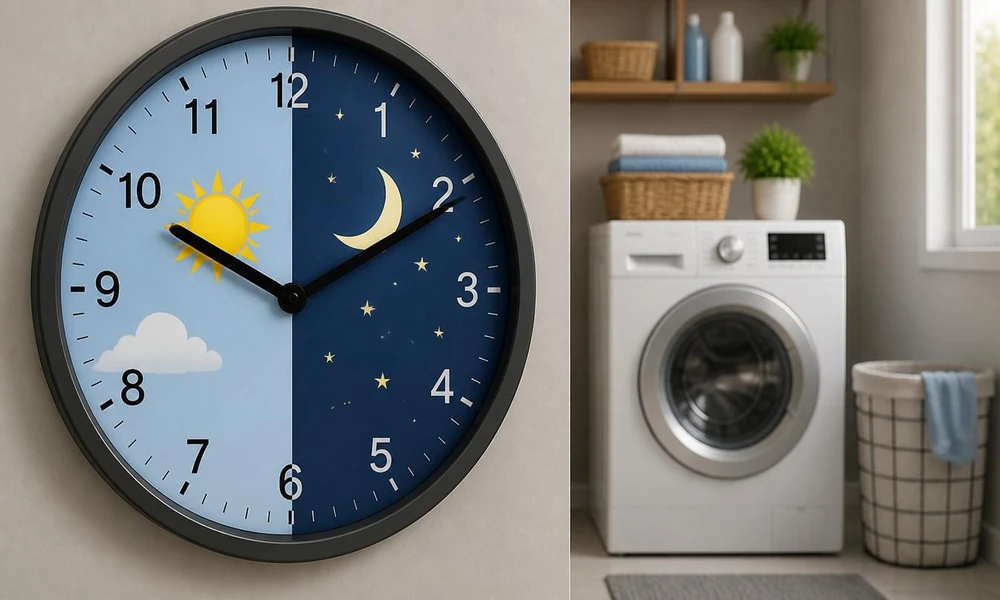
Large appliances like washing machines and clothes dryers are among the most energy-intensive items in any home. For families that do several loads of laundry a week, the timing of these chores can have a massive impact on the bill. Many people naturally do their laundry in the evening after work, which often coincides with peak demand. However, by using the delay-start function found on most modern machines, you can schedule the wash to run during the cheapest time to use electricity, such as the early hours of the morning. Similarly, running the dishwasher just before bed rather than right after dinner can help you capitalise on off-peak rates. A reliable electricity provider in Singapore will often provide a clear schedule of when these lower rates apply, allowing you to plan your chores accordingly.
2. Efficient Charging for Tech and Vehicles
As we become more reliant on battery-powered technology, the energy required for charging has become a significant factor in our monthly usage. This is especially true for households with electric vehicles (EVs) or plug-in hybrids. Charging an EV during peak hours can be expensive, but shifting this routine to the middle of the night can yield substantial savings. Even smaller devices, such as laptops, tablets, and power banks, can be charged during off-peak times. While the savings per device might be small, the cumulative effect over a month is noticeable. When choosing an electricity provider in Singapore, ask if they have specific plans tailored for EV owners or those with high overnight usage, as these often provide the best rates during the cheapest time to use electricity.
3. Batch Cooking and Meal Preparation
The kitchen is a major hub of energy consumption, particularly if you frequently use an electric oven, steamer, or multiple induction hobs. These appliances draw a high amount of power in a short period. If your schedule allows, consider batch cooking or doing heavy meal prep during off-peak hours, such as on a weekend morning or late in the evening. You can then simply reheat meals during peak hours using a microwave, which is far more energy-efficient. By being mindful of the cheapest time to use electricity, you can enjoy home-cooked meals while keeping your energy costs under control. This habit not only saves money but often leads to a more organised and less stressful week of dining.
4. Cooling and Climate Control Management
Given Singapore’s tropical climate, air conditioning is often the largest single contributor to a home’s electricity bill. Most people need cooling during the night to sleep comfortably. If your electricity provider in Singapore offers lower rates during the night, your essential cooling habits might already align with the cheapest time to use electricity. You can maximise these savings by pre-cooling your home just before the peak rate kicks in, and then setting the air conditioner to a higher temperature or using a timer during the most expensive hours of the day. Using black-out curtains to keep the heat out during the day also reduces the need for heavy cooling during peak times, ensuring that your air conditioner works hardest when the rates are at their lowest.
Conclusion
Adopting a time-of-use mindset requires a bit of planning, but the financial rewards can be significant. By identifying your most energy-intensive routines and shifting them to the cheapest time to use electricity, you can effectively lower your costs without sacrificing comfort. Whether it is through automating your laundry, charging your vehicle overnight, or being strategic with kitchen appliances, small changes in timing lead to big changes in your bill. As you work with your chosen electricity provider in Singapore, staying informed about rate schedules and using smart home technology will help you master this modern approach to energy management.
Want to see if your daily routine could save you money? Explore our flexible pricing models and see how shifting your usage can impact your bills. Contact Keppel Electric today to find a plan that rewards you for using power at the cheapest time to use electricity as your preferred electricity provider in Singapore.