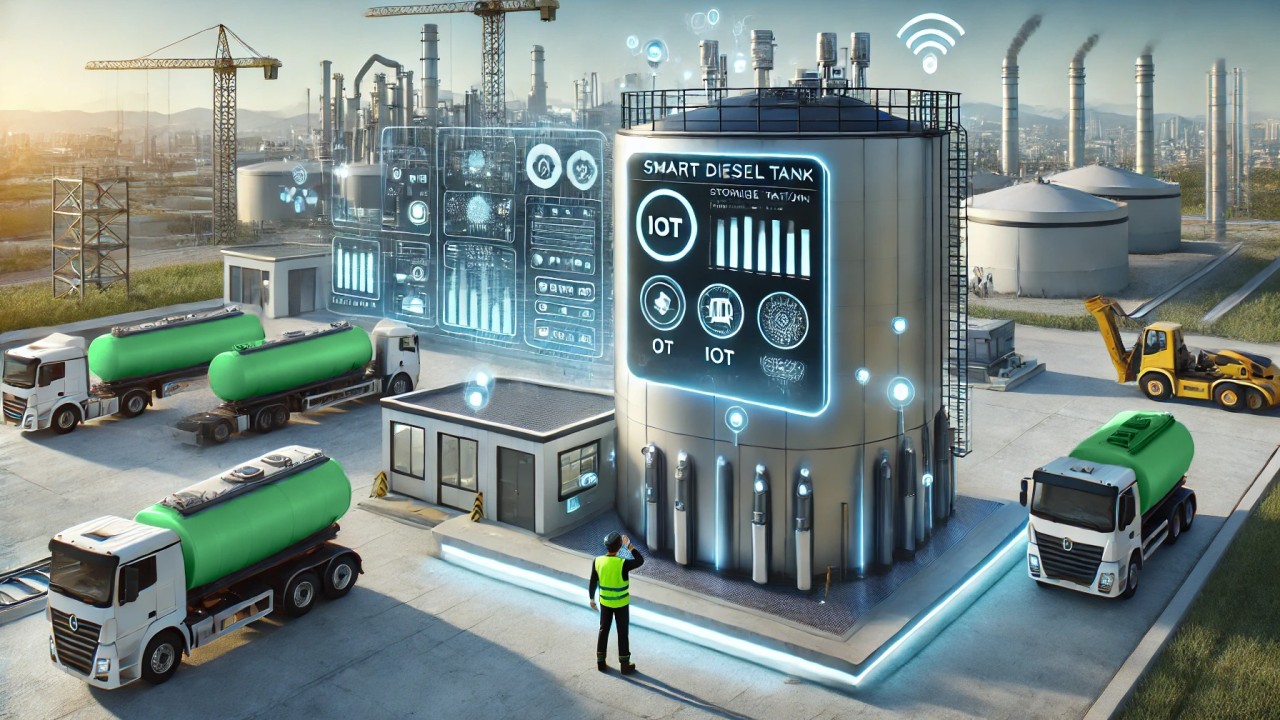

A smart fuel management system will transform the way your site and company operate. Whether you have a few vans and vehicles, a large fleet of hundreds of large trucks, or you utilise plant hire services to furnish your projects with vehicles and machinery from project to project, understanding where your fuel goes helps you to manage budgets accurately and improve efficiencies. A smart fuel tank is a technological innovation that has truly changed the shape of how we look at fuel consumption on site. To reduce fuel waste, control costs, and improve site safety, it has been transformative.
Why are fuel costs so important?
For fleet and project managers, fuel costs make up a large percentage of ongoing costs, but they can also be unpredictable due to fluctuating fuel prices and different usage by your fleet from project to project. There are also little things that can go unseen on site, such as fuel theft, driving styles that place greater strain on fuel consumption, inefficient routes across and between sites that add time to journeys, and the idling time of vehicles and machinery. All of these things together can add a high cost to your budget.
How to reduce fuel costs?
Reducing your fuel costs is therefore important, and alongside that these following processes and innovations will help you reduce fuel waste and improve safety standards too.
Remove idling
Engine idling can cause higher emissions and waste fuel, so being proactive can make a massive difference to fuel waste and costs. Telematics and fuel tank data can provide you with real-time data that shows the status of an engine. Project and fleet managers can see when vehicles are idling unnecessarily, and this provides teachable data that helps to minimise wear and tear on components, reduce waste and fuel costs, and reduce emissions.
Optimise journey routes
GPS tracking and advanced telematics allow you to analyse traffic and different routes to see which is the optimal route for your vehicles. This is important, as an efficient travel route minimises fuel waste, improves delivery accuracy and overall efficiency.
Training for drivers and operators
For vehicles and machinery on site, training drivers and operators helps to improve task efficiency, productivity, and safety standards, but it also helps to save fuel. Collecting and analysing data provides a foundation of knowledge to improve driver behaviour on the next project, and the project after that, continuously improving performance.
Improve fuel security
Theft and fraud play a big part in fuel cost hikes. Telematics systems monitor fuel levels down to the tiniest detail, including alerts when fuel levels suddenly drop. This integration of technology helps to significantly improve fuel security.
A smart fuel management system
By implementing a smart fuel management system that gives you accurate information and up-to-the-minute data about fuel usage for the entire site and project, but also down to each individual asset is invaluable. For every project where fuel is used, it is often the highest cost. Taking control of this changes the game for project managers. Smart fuel tanks improves safety and security of fuel, but also allow you to track performance and use, changing the way you approach each project and the use of each individual vehicle and machine on site. You have the data to analyse and tweak for future performance boosts. Find your smartest fuel management system, and you’ll notice improvements throughout the site at your next project.