Blog

  • The Impact of Cryptocurrency on the Foreign Exchange Market

    The Impact of Cryptocurrency on the Foreign Exchange Market

    Cryptocurrency has become a popular alternative to traditional currency in recent years. It is a digital or virtual asset that uses cryptography for security and operates independently of a central bank. While the concept of cryptocurrency is still relatively new, it has already made an impact on the foreign exchange market.

    What is the Foreign Exchange Market?

    The foreign exchange market, also known as the Forex market, is a decentralized global market where currencies are traded. It is the largest financial market in the world, with an average daily trading volume of $5.3 trillion. The Forex market operates 24 hours a day, five days a week, and is used by individuals, businesses, and governments to exchange one currency for another.

    The Impact of Cryptocurrency on the Forex Market

    Impact of Cryptocurrency on the Forex Market

    Cryptocurrency has had a significant impact on the Forex market. One of the biggest impacts is the introduction of Bitcoin futures trading. Bitcoin futures allow traders to speculate on the future price of Bitcoin without actually owning it. This has attracted a lot of attention from Forex traders, as they can now take advantage of the volatility of Bitcoin without having to buy and hold the digital currency.

    Another impact of cryptocurrency on the Forex market is the increased demand for digital currencies. As more people become aware of cryptocurrency and its potential benefits, the demand for it continues to grow. This has led to an increase in the number of cryptocurrency exchanges, which has made it easier for people to buy and sell digital currencies.

    However, the impact of cryptocurrency on the Forex market is not all positive. The volatility of digital currencies can make them a risky investment, and their lack of regulation can lead to fraud and scams. Additionally, the use of cryptocurrency for illegal activities, such as money laundering and drug trafficking, has led some governments to clamp down on the use of digital currencies.

    The Future of Cryptocurrency and the Forex Market

    The future of cryptocurrency on the Forex market is uncertain. While it has already made an impact, it is still a relatively new concept, and its future remains unclear. Some experts believe that cryptocurrency will eventually replace traditional currency, while others believe that it will remain a niche market.

    One thing is certain, however, and that is the continued growth and development of cryptocurrency. As more people become aware of its potential benefits, the demand for it will continue to grow. This, in turn, will lead to further innovation and development in the cryptocurrency industry, which could have a significant impact on the Forex market.

    Cryptocurrency has already had a significant impact on the Forex market, and its influence is only set to grow. While there are risks associated with investing in digital currencies, the potential benefits are also significant. As the cryptocurrency industry continues to develop, it will be interesting to see how it affects the Forex market and whether it will eventually replace traditional currency.

  • The Role of Digital Transformation in Franchising Success

    The Role of Digital Transformation in Franchising Success

    Franchising has been a popular business model for decades, providing entrepreneurs with the opportunity to own and operate a successful business with the support and guidance of an established brand. However, in today’s digital age, franchising success is increasingly dependent on digital transformation.

    What is Digital Transformation?

    Digital transformation refers to the integration of digital technology into all areas of a business, fundamentally changing how it operates and delivers value to customers. In the context of franchising, digital transformation involves leveraging technology to enhance the franchisee experience, streamline operations, and improve customer engagement.

    The Benefits of Digital Transformation in Franchising

    The benefits of digital transformation in franchising are numerous. Here are just a few:

    • Improved Efficiency: Digital technology can automate many of the manual processes involved in running a franchise, freeing up time and resources for more value-added activities.
    • Enhanced Customer Experience: Digital tools such as mobile apps, social media, and online ordering systems can improve customer engagement and satisfaction, leading to increased loyalty and sales.
    • Increased Data Insights: By leveraging digital tools such as analytics and machine learning, franchisors can gain valuable insights into customer behavior and preferences, allowing them to make data-driven decisions that drive growth and profitability.

    Examples of Digital Transformation in Franchising

    Many successful franchises have already embraced digital transformation to enhance their operations and drive growth. Here are a few examples:

    • McDonald’s: The fast-food giant has invested heavily in digital technology, including mobile ordering and payments, self-order kiosks, and delivery partnerships with Uber Eats and DoorDash.
    • Subway: The sandwich chain has launched a mobile app that allows customers to order ahead, earn rewards, and receive personalized promotions.
    • Anytime Fitness: The fitness franchise has implemented a digital platform that allows members to track their workouts, connect with trainers, and access personalized nutrition and wellness plans.

    The Future of Franchising

    As technology continues to evolve at a rapid pace, digital transformation will only become more important in the franchising industry. Those franchisors that are able to embrace digital innovation and provide their franchisees with the tools they need to succeed in the digital age will be the ones that thrive in the years to come.

    Digital transformation is a critical element of franchising success in today’s digital age. By leveraging digital technology to enhance efficiency, improve customer experience, and gain valuable data insights, franchisors can position themselves for growth and profitability in the years to come.

  • Navigating Generational Differences in the Workplace

    Navigating Generational Differences in the Workplace

    As the workforce becomes increasingly diverse, it is important for employers and employees alike to understand and navigate generational differences in the workplace. With four distinct generations currently working side by side – Baby Boomers, Gen X, Millennials, and Gen Z – it is important to recognize and appreciate the unique perspectives and values that each group brings to the table.

    Understanding the Generations

    Understanding the Generations in workplace

    • Baby Boomers: Born between 1946 and 1964, this generation grew up during a time of economic prosperity and social change. They tend to value hard work and loyalty, and may have difficulty adapting to new technology.
    • Gen X: Born between 1965 and 1980, this generation is often referred to as the “latchkey kids” due to their tendency to be self-sufficient and independent. They value work-life balance and may be skeptical of authority.
    • Millennials: Born between 1981 and 1996, this generation has been shaped by rapid technological advancements and a changing economy. They value diversity and inclusivity, and may prioritize personal fulfillment over traditional career paths.
    • Gen Z: Born between 1997 and 2012, this generation is just entering the workforce and is known for being tech-savvy and entrepreneurial. They value authenticity and transparency, and may have different expectations around work-life balance.

    Navigating Generational Differences

    While each generation brings unique strengths and perspectives to the workplace, navigating generational differences can be challenging. Here are a few strategies for bridging the gap:

    • Communicate openly: Encourage open and honest communication between employees of different generations. This can help build understanding and empathy, and can help prevent misunderstandings.
    • Focus on strengths: Rather than dwelling on differences, focus on the unique strengths and contributions that each individual brings to the workplace.
    • Be flexible: Recognize that different generations may have different work styles and preferences. Be flexible and open to adapting to meet the needs of different employees.
    • Provide training: Provide training and resources to help employees of different generations learn from one another and build their skills.
    • Lead by example: As a leader, model the behavior and values you want to see in your employees. This can help create a culture of respect and understanding.

    The Benefits of a Multigenerational Workplace

    Benefits of a Multigenerational Workplace

    While navigating generational differences can be challenging, a multigenerational workplace can also be a source of strength and innovation. By bringing together individuals with different backgrounds, experiences, and perspectives, organizations can benefit from:

    • Diversity of thought: Employees from different generations bring unique perspectives and ideas to the table, which can help drive innovation and creativity.
    • Mentorship opportunities: Older employees can serve as mentors to younger employees, helping to pass down valuable knowledge and skills.
    • Increased collaboration: By working across generational lines, employees can learn from one another and build stronger working relationships.
    • Improved problem-solving: By bringing together individuals with different perspectives and experiences, organizations can better solve complex problems and make more informed decisions.

    Navigating generational differences in the workplace requires understanding, empathy, and flexibility. By focusing on strengths, communicating openly, and embracing diversity, organizations can create a culture of respect and collaboration that benefits employees of all ages.

  • The Benefits and Challenges of International Franchise Expansion

    The Benefits and Challenges of International Franchise Expansion

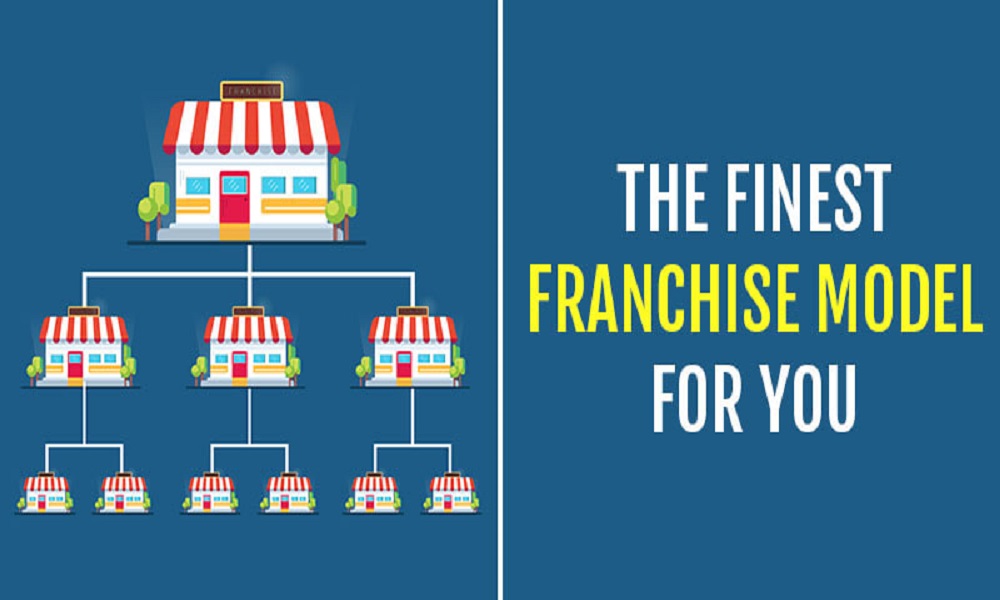
    Franchising is a popular business model that allows entrepreneurs to expand their business globally by licensing their trademark, products, and services to other investors or franchisees. International franchise expansion provides numerous benefits, including increased revenue, brand recognition, and market share. However, it also presents several challenges that franchisors and franchisees must overcome to succeed in foreign markets.

    The Benefits of International Franchise Expansion

    International Franchise Expansion

    • Increased Revenue: International franchise expansion provides an opportunity for franchisors to increase their revenue by tapping into new markets and expanding their customer base. Franchisees also benefit from the established brand name and marketing support provided by the franchisor, which can help them generate more revenue than starting a new business from scratch.
    • Brand Recognition: Franchisors benefit from increased brand recognition and awareness as they expand their business internationally. This can lead to increased customer loyalty and repeat business, which can further increase revenue and profitability. Franchisees also benefit from the established brand name, which can help them attract customers and generate more sales.
    • Market Share: International franchise expansion allows franchisors to gain a larger market share by expanding their business into new markets. This can help them compete more effectively with other businesses and increase their overall market share.

    The Challenges of International Franchise Expansion

    • Cultural Differences: International franchise expansion presents several challenges related to cultural differences. Franchisors and franchisees must understand the local culture, customs, and language of the foreign market to effectively market and sell their products and services. Failure to do so can lead to miscommunication, misunderstandings, and ultimately, business failure.
    • Legal and Regulatory Compliance: Franchisors and franchisees must comply with the legal and regulatory requirements of the foreign market, which can be complex and time-consuming. Failure to comply with these requirements can result in fines, legal action, and damage to the franchisor’s reputation.
    • Logistics and Supply Chain Management: International franchise expansion requires effective logistics and supply chain management to ensure that products and services are delivered to customers on time and at the right quality. Franchisors and franchisees must navigate complex international trade laws, customs regulations, and shipping requirements to ensure that products and services are delivered efficiently and cost-effectively.

    International franchise expansion provides numerous benefits, including increased revenue, brand recognition, and market share. However, it also presents several challenges related to cultural differences, legal and regulatory compliance, and logistics and supply chain management. Franchisors and franchisees must carefully consider these challenges and develop effective strategies to overcome them to succeed in foreign markets.

  • The Gig Economy: Changing the Face of Employment

    The Gig Economy: Changing the Face of Employment

    The gig economy, also known as the freelance economy, is a growing trend in employment. It refers to the practice of working on a project basis, rather than being employed full-time. This trend has been driven by advancements in technology, which have made it easier for people to connect with potential clients or customers.

    The Rise of the Gig Economy

    According to a study conducted by Intuit, by 2020, it is estimated that 40% of American workers will be freelancers. This is a significant increase from the 30% of freelancers in 2016. The rise of the gig economy is not limited to the United States, as it is also a global phenomenon. In the United Kingdom, for example, the number of self-employed people has increased from 3.3 million in 2001 to 4.8 million in 2017.

    The Impact on Traditional Employment

    The gig economy has had a significant impact on traditional employment. One of the most notable effects is the shift away from full-time employment. As more people turn to freelance work, companies are hiring fewer full-time employees. This can lead to a decrease in job security and benefits for workers.

    On the other hand, the gig economy has also created new opportunities for people who may not have been able to find traditional employment. For example, stay-at-home parents, retirees, and people with disabilities can now work from home and earn an income. Additionally, freelancers have the flexibility to choose the projects they work on, which can lead to greater job satisfaction and work-life balance.

    The Economic Impact

    The gig economy has also had an impact on the economy as a whole. For example, the rise of freelance work has led to the creation of new platforms that connect freelancers with potential clients. These platforms, such as Upwork and Fiverr, have become multi-billion dollar businesses.

    Furthermore, the gig economy has created a more competitive market for employers. Companies now have access to a larger pool of freelancers, which can lead to lower costs and increased efficiency. However, this can also lead to a race-to-the-bottom mentality, where freelancers are forced to compete on price rather than quality.

    The Future of the Gig Economy

    As the gig economy continues to grow, it is likely that we will see more regulation and protections for freelancers. For example, some countries have already introduced legislation to ensure that freelancers receive fair pay and benefits. Additionally, we may see a shift towards a more collaborative approach, where freelancers work together on projects, rather than competing against each other.

    Overall, the gig economy has had a significant impact on employment trends. While there are certainly challenges associated with freelance work, such as job insecurity and competition, there are also many benefits. As the gig economy continues to evolve, it will be important for policymakers and employers to recognize the changing nature of work and adapt accordingly.

  • The Future of Skills: Preparing the Workforce for Industry 4.0

    The Future of Skills: Preparing the Workforce for Industry 4.0

    The fourth industrial revolution, also known as Industry 4.0, is characterized by the integration of advanced technologies such as artificial intelligence, automation, and the Internet of Things (IoT) into manufacturing processes. As a result, many jobs that were previously done by humans are now being done by machines, and this trend is expected to continue in the future. This has led to concerns about the future of work, and how workers can prepare themselves for the changing job market.

    The Skills Needed for Industry 4.0

    As the job market changes, so do the skills needed by workers. According to a report by the World Economic Forum, the top 10 skills needed by workers in 2025 will include:

    • Problem-solving
    • Critical thinking
    • Creativity
    • People management
    • Coordinating with others
    • Emotional intelligence
    • Judgment and decision-making
    • Service orientation
    • Negotiation
    • Cognitive flexibility

    These skills are not specific to any particular industry, but are instead transferable between different types of jobs. They are also skills that are difficult to automate, meaning that workers who possess them will be less at risk of being replaced by machines.

    Preparing the Workforce for Industry 4.0

    One of the biggest challenges facing workers in the age of Industry 4.0 is the need to continually update their skills. This requires a commitment to lifelong learning, and a willingness to adapt to new technologies and ways of working.

    Employers also have a role to play in preparing their workforce for Industry 4.0. This can include providing training and development opportunities, as well as creating a culture that values learning and innovation.

    Government can also play a role in preparing the workforce for Industry 4.0. This can include investing in education and training programs, as well as providing support for workers who are displaced by automation.

    The Benefits of a Skilled Workforce

    Skilled Workforce

    While there are challenges associated with Industry 4.0, there are also opportunities. A skilled workforce can help to drive innovation and growth, and can help companies to remain competitive in a rapidly changing market.

    In addition, a skilled workforce can help to create a more equitable society. As automation replaces many low-skill jobs, there is a risk that income inequality will increase. However, by investing in education and training programs, we can ensure that workers have the skills they need to succeed in the jobs of the future.

    The future of work is changing, and workers need to adapt to stay ahead. By developing the skills needed for Industry 4.0, workers can remain competitive in a rapidly changing market. Employers and governments also have a role to play in preparing the workforce for the future, by providing training and development opportunities, and investing in education and training programs.

    The benefits of a skilled workforce are clear, and by working together, we can ensure that workers are prepared for the jobs of the future.

  • The Importance of Soft Skills in the Age of Automation

    The Importance of Soft Skills in the Age of Automation

    In today’s fast-paced and technology-driven world, automation is rapidly transforming the way we work. From manufacturing to healthcare, automation is revolutionizing industries and changing the nature of work. While automation has made many tasks easier and more efficient, it has also created a demand for workers who possess soft skills.

    What are Soft Skills?

    Soft Skills

    Soft skills refer to a set of personal attributes that enable individuals to interact effectively and harmoniously with other people. These skills are often intangible and difficult to measure, but they are essential for success in today’s workplace. Some examples of soft skills include:

    • Communication skills
    • Teamwork
    • Problem-solving
    • Leadership
    • Time management
    • Adaptability
    • Emotional intelligence

    The Importance of Soft Skills in the Age of Automation

    Automation is rapidly changing the nature of work, and many jobs that were once done by humans are now being done by machines. While automation has made many tasks easier and more efficient, it has also resulted in a growing demand for workers who possess soft skills. Employers are looking for workers who can collaborate with others, communicate effectively, and solve problems creatively.

    Soft skills are particularly important in industries that are heavily reliant on automation, such as manufacturing and healthcare. In these industries, workers need to be able to work alongside machines while also collaborating with other team members. They also need to be able to communicate effectively with other team members, and they need to be able to adapt to changing circumstances.

    Soft skills are also essential for workers who want to advance in their careers. In today’s competitive job market, workers need to be able to differentiate themselves from others. While technical skills are important, they are no longer enough. Workers who possess strong soft skills are more likely to be promoted and to succeed in their careers.

    How to Develop Soft Skills

    Soft skills are not innate abilities, but rather skills that can be developed and improved over time. Here are some tips for developing soft skills:

    • Practice active listening
    • Take courses or workshops on communication and teamwork
    • Volunteer for leadership roles in community organizations
    • Read books or articles on emotional intelligence and problem-solving
    • Attend networking events to improve your communication and collaboration skills

    Automation is transforming the way we work, and soft skills are becoming increasingly important for success in the workplace. Workers who possess strong soft skills are more likely to succeed in their careers and to advance in their organizations. By developing and improving our soft skills, we can become more effective communicators, collaborators, and problem-solvers, and we can thrive in the age of automation.

  • The Emergence of Programmatic Advertising in the Digital Age

    The Emergence of Programmatic Advertising in the Digital Age

    Programmatic advertising is a term that has been buzzing around the advertising industry for some time now. It is a form of digital advertising that utilizes automated technology to buy and sell ads online. The technology uses data-driven algorithms to determine the best ad placement for a particular campaign and target audience. This form of advertising has revolutionized the industry and is rapidly becoming the preferred method of advertising for businesses of all sizes.

    How Programmatic Advertising Works

    Programmatic Advertising Works

    Programmatic advertising works by using real-time bidding technology to buy and sell ad space. Advertisers use a demand-side platform (DSP) to bid on ad space, while publishers use a supply-side platform (SSP) to sell ad space. The process is automated, and the technology uses data such as user behavior, device type, and location to determine the best ad placement for a particular campaign.

    Once the bidding process is complete, the ad is served to the user in real-time. This means that the entire process, from bidding to ad placement, takes place in a matter of milliseconds.

    The Benefits of Programmatic Advertising

    Programmatic advertising offers numerous benefits to businesses of all sizes. One of the most significant benefits is the ability to target specific audiences with precision. The technology uses data-driven algorithms to determine the best ad placement for a particular campaign and target audience. This means that businesses can reach their target audience with greater accuracy and efficiency.

    Another benefit of programmatic advertising is the ability to optimize campaigns in real-time. The technology allows businesses to track the performance of their campaigns and make adjustments on the fly. This means that businesses can optimize their campaigns for maximum effectiveness, resulting in a higher return on investment (ROI).

    The Future of Programmatic Advertising

    The future of programmatic advertising looks bright. As more businesses realize the benefits of this form of advertising, the industry is expected to grow rapidly. According to eMarketer, programmatic advertising is expected to account for over 80% of all digital display advertising by 2021.

    One of the most significant trends in programmatic advertising is the use of artificial intelligence (AI) and machine learning. These technologies are being used to improve the accuracy and efficiency of programmatic advertising. AI and machine learning can analyze vast amounts of data in real-time, allowing businesses to optimize their campaigns with greater precision.

    Programmatic advertising is a game-changer in the advertising industry. It offers businesses of all sizes the ability to reach their target audience with greater accuracy and efficiency. As the technology continues to evolve, the industry is expected to grow rapidly, with AI and machine learning playing an increasingly significant role in programmatic advertising.

  • The Impact of Ad-Blockers on the Future of Digital Advertising

    The Impact of Ad-Blockers on the Future of Digital Advertising

    Ad-blockers have been gaining popularity since their introduction in 2006. They are browser extensions or software that prevent ads from appearing on web pages. The use of ad-blockers has been steadily increasing, and it is estimated that over 30% of internet users have installed them. While ad-blockers may seem like a boon for users, their impact on the future of digital advertising is significant.

    The Effect on Advertisers

    The rise of ad-blockers has had a significant effect on advertisers. Advertisers have seen a decrease in ad impressions and click-through rates, leading to a decrease in revenue. This has forced advertisers to come up with new ways to reach their audience. Some have turned to native advertising, where the ad is integrated into the content of the website, making it less intrusive. Others have started using social media influencers to promote their products. This shift in advertising methods has led to a change in the way advertisers measure their success.

    The Effect on Publishers

    The use of ad-blockers has also had an impact on publishers. Publishers rely on advertising revenue to keep their websites running. With the rise of ad-blockers, publishers have seen a decrease in revenue, making it difficult to sustain their business. Some publishers have resorted to using paywalls to generate revenue, which has led to a decrease in traffic to their websites. Others have started using anti-ad-blockers to prevent users from accessing their content if they have an ad-blocker installed. This has led to a cat-and-mouse game between publishers and users.

    The Effect on Users

    Ad-blockers have been a boon for users who find ads intrusive and annoying. Ad-blockers provide a better browsing experience by removing ads and speeding up the loading of web pages. However, the use of ad-blockers has also had unintended consequences. Ad-blockers have led to a decrease in revenue for publishers, which has led to a decrease in the quality of content. Some publishers have resorted to clickbait headlines and low-quality content to generate revenue, leading to a decrease in the overall quality of the internet.

    The Future of Digital Advertising

    The rise of ad-blockers has forced advertisers and publishers to come up with new ways to reach their audience. The future of digital advertising will be focused on providing a better user experience. Advertisers will have to create high-quality content that is integrated into the user’s browsing experience. Publishers will have to find new revenue streams that do not rely on advertising. The use of ad-blockers will continue to increase, and it is up to advertisers and publishers to adapt to this new reality.

    Ad-blockers have had a significant impact on the future of digital advertising. They have forced advertisers and publishers to come up with new ways to reach their audience. While the rise of ad-blockers may seem like a boon for users, it has had unintended consequences. The future of digital advertising will be focused on providing a better user experience. Advertisers and publishers will have to adapt to this new reality if they want to succeed in the digital world.

  • The Benefits of Algorithmic Trading in the Forex Market

    The Benefits of Algorithmic Trading in the Forex Market

    Algorithmic trading is a method of trading that uses computer programs to execute trades based on predetermined rules and parameters. In recent years, algorithmic trading has become increasingly popular in the forex market due to the numerous benefits it offers. In this article, we will explore some of the key benefits of algorithmic trading in the forex market.

    1. Speed and Efficiency

    One of the main benefits of algorithmic trading is its speed and efficiency. Human traders can only execute a limited number of trades at a time, and they are often subject to emotional biases and errors. On the other hand, algorithmic trading can execute trades instantly and without emotion, allowing for a much higher volume of trades and more efficient use of trading opportunities.

    2. Accuracy and Consistency

    Accuracy and Consistency

    Algorithmic trading is also highly accurate and consistent. Because the rules and parameters are predetermined and executed automatically, there is no room for human error or bias. This can lead to more accurate and consistent trading decisions, resulting in better overall performance.

    3. Backtesting and Optimization

    Another advantage of algorithmic trading is the ability to backtest and optimize trading strategies. This allows traders to test their strategies on historical data and make adjustments to improve their performance. Backtesting can also help traders identify potential issues or weaknesses in their strategies before they start trading with real money.

    4. Diversification and Risk Management

    Divrsification and Risk Management

    Algorithmic trading can also help traders diversify their portfolios and manage risk more effectively. By using multiple algorithms and strategies, traders can spread their risk across different markets and instruments, reducing their overall exposure to risk. Additionally, algorithmic trading can automatically adjust positions and risk levels based on market conditions, helping to minimize losses and maximize profits.

    5. 24/7 Trading

    Finally, algorithmic trading allows for 24/7 trading, even when the trader is not physically present. This can be especially beneficial in the forex market, which is open 24 hours a day, 5 days a week. Algorithmic trading can execute trades automatically based on predetermined rules and parameters, allowing traders to take advantage of trading opportunities around the clock.

    Algorithmic trading offers numerous benefits for traders in the forex market, including speed and efficiency, accuracy and consistency, backtesting and optimization, diversification and risk management, and 24/7 trading. While algorithmic trading may not be suitable for all traders, those who are willing to put in the time and effort to develop and test their strategies can benefit greatly from this approach to trading.