
Blog

  • The Importance of Franchisee Support in Long-Term Success

    The Importance of Franchisee Support in Long-Term Success

    Franchising is a popular business model that has been adopted by many entrepreneurs across the world. It offers a unique opportunity to start a business under an established brand with the support of a franchisor. However, the success of a franchise business is not solely dependent on the franchisor; franchisee support plays a crucial role in the long-term success of the franchise business.

    What is Franchisee Support?
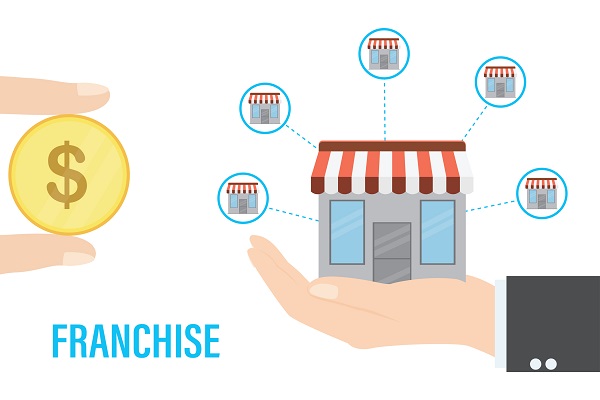
    Franchise Support

    Franchisee support refers to the assistance provided by the franchisor to the franchisee in running their franchise business. This support can come in different forms, including:

    • Training and education
    • Marketing and advertising
    • Operations support
    • Financial assistance
    • Site selection and lease negotiation

    Franchisee support is crucial for the success of the franchise business, as it helps the franchisee to overcome the challenges of running a business and ensures that they are able to operate within the guidelines and standards set by the franchisor.

    The Benefits of Franchisee Support

    Franchisee support offers several benefits to the franchisee, including:

    • Access to established brand recognition
    • Reduced risk of failure
    • Continuous training and development
    • Marketing and advertising support
    • Access to a network of experienced franchisees

    By providing franchisee support, the franchisor is able to ensure that the franchisee is able to operate within the guidelines and standards set by the franchisor, which helps to maintain consistency in the brand image and customer experience. This consistency is crucial for the long-term success of the franchise business.

    The Role of Franchisee Support in Long-Term Success

    The success of a franchise business is not solely dependent on the franchisor; franchisee support plays a crucial role in the long-term success of the franchise business. Franchisee support helps to ensure that the franchisee is able to operate within the guidelines and standards set by the franchisor, which helps to maintain consistency in the brand image and customer experience. This consistency is crucial for the long-term success of the franchise business.

    Franchisee support also helps to reduce the risk of failure for the franchisee. By providing training, education, and operational support, the franchisor is able to help the franchisee overcome the challenges of running a business, which helps to reduce the risk of failure.

    In addition, franchisee support helps to ensure that the franchisee is able to adapt to changes in the market and industry. By providing continuous training and development, the franchisor is able to help the franchisee stay up-to-date with the latest trends and technologies, which helps to ensure that the franchise business remains competitive in the long-term.

    Franchisee support is crucial for the long-term success of the franchise business. It helps to ensure that the franchisee is able to operate within the guidelines and standards set by the franchisor, which helps to maintain consistency in the brand image and customer experience. Franchisee support also helps to reduce the risk of failure and ensure that the franchise business remains competitive in the long-term. Therefore, franchisors should prioritize franchisee support to ensure the long-term success of their franchise business.


  • The Impact of Remote Work on Workplace Culture

    The Impact of Remote Work on Workplace Culture

    Remote work has become increasingly popular in recent years, with more and more companies offering employees the option to work from home or other remote locations. While remote work has many benefits, such as increased flexibility and productivity, it also has a significant impact on workplace culture.

    Positive Impact on Workplace Culture

    Positive Impact on Workplace Culture

    One of the most significant positive impacts of remote work on workplace culture is increased trust and autonomy. When employees work remotely, they have more control over their work environment and schedule, which can lead to increased job satisfaction and motivation. Additionally, remote work can help to break down hierarchical structures and promote more open communication between team members.

    Remote work also allows for a more diverse and inclusive workplace culture. Companies that offer remote work options can attract and retain employees from a more diverse range of backgrounds and experiences. This can lead to a more dynamic and innovative team that is better equipped to solve complex problems.

    Negative Impact on Workplace Culture

    While there are many positive impacts of remote work on workplace culture, there are also some negative effects to be aware of. One of the most significant negative impacts is the potential for isolation and disconnection between team members. When employees work remotely, they may miss out on important social interactions and team-building activities that are crucial for building strong relationships and a sense of community.

    Remote work can also lead to a lack of accountability and transparency. When employees are not physically present in the workplace, it can be more challenging to track their progress and ensure that they are meeting deadlines and contributing to the team’s overall goals. Additionally, remote work can make it more difficult to identify and address problems or conflicts within the team.

    Strategies for Building a Strong Workplace Culture with Remote Workers

    While remote work can present challenges for workplace culture, there are many strategies that companies can use to build a strong and inclusive culture, even with remote workers. Some of these strategies include:

    • Regular virtual team-building activities
    • Clear communication channels and expectations
    • Regular check-ins with remote workers to ensure they are engaged and motivated
    • Investing in technology and tools to facilitate collaboration and communication
    • Encouraging remote workers to come into the office for occasional meetings or team events

    By implementing these strategies, companies can build a workplace culture that supports and values remote workers, while also promoting open communication, collaboration, and a sense of community among all team members.

    The impact of remote work on workplace culture is complex, with both positive and negative effects to consider. However, by leveraging the benefits of remote work and implementing strategies to address the challenges, companies can build a strong and inclusive workplace culture that supports remote workers and promotes collaboration, innovation, and success.

  • The Benefits of Continuous Learning and Upskilling in the Workplace

    The Benefits of Continuous Learning and Upskilling in the Workplace

    Continuous learning and upskilling have become increasingly important in today’s rapidly evolving workplace. Employers are looking for individuals who are not only qualified for the job but are also willing to learn and adapt to new technologies and processes.

    What is Continuous Learning and Upskilling?

    Continuous Learning and Upskilling

    Continuous learning and upskilling refer to the process of acquiring new knowledge, skills, and competencies to enhance one’s job performance and career growth. It involves attending training programs, workshops, seminars, and online courses to keep up with the latest trends and developments in the industry.

    The Benefits of Continuous Learning and Upskilling in the Workplace

    1. Increased Productivity

    Continuous learning and upskilling can help employees become more efficient and productive in their work. By learning new skills and techniques, they can find better ways to complete tasks and improve their workflows. This, in turn, can increase their overall output and lead to higher job satisfaction.

    2. Career Advancement

    Continuous learning and upskilling can open up new career opportunities and help employees move up the corporate ladder. Employers are more likely to promote individuals who are willing to learn and take on new challenges. Continuous learning can also increase an individual’s earning potential and job security.

    3. Improved Job Satisfaction

    Employees who are continuously learning and upskilling tend to be more satisfied with their jobs. They feel more confident in their abilities and are able to perform their job duties with greater ease. This can lead to a sense of accomplishment and fulfillment in their work.

    4. Competitive Advantage

    Continuous learning and upskilling can give employees a competitive edge in the job market. Individuals who possess up-to-date skills and knowledge are more attractive to potential employers. This can increase their chances of getting hired and can also lead to better job opportunities in the future.

    5. Adaptability and Flexibility

    Continuous learning and upskilling can help individuals become more adaptable and flexible in the workplace. They are better equipped to handle changes in their job roles and can quickly adapt to new technologies and processes. This can make them more valuable to their employers and can also increase their job security.

    Continuous learning and upskilling are essential for individuals who want to succeed in today’s rapidly changing workplace. By acquiring new skills and knowledge, employees can increase their productivity, career advancement opportunities, job satisfaction, competitive advantage, and adaptability. Employers should encourage and support their employees in their continuous learning efforts to create a more skilled and knowledgeable workforce.

  • Demand Prediction Trends: What to Expect in the Coming Years

    Demand Prediction Trends: What to Expect in the Coming Years

    In today’s fast-paced world, businesses across various industries are constantly seeking ways to stay ahead of the curve and anticipate consumer needs before they arise. One crucial aspect of this forward-thinking approach is demand prediction – the ability to forecast future customer demand for products or services accurately. But with the rapid advancements in technology and the ever-changing market landscape, what can businesses expect in terms of demand prediction trends in the coming years?

    The Rise of Artificial Intelligence (AI) and Machine Learning

    One of the most significant trends shaping the future of demand prediction is the increased integration of artificial intelligence (AI) and machine learning algorithms. These advanced technologies enable businesses to analyze vast amounts of data swiftly and accurately, allowing them to identify patterns and trends that would be nearly impossible for humans to detect. By leveraging AI and machine learning, companies can enhance their demand prediction models and make more informed decisions about inventory management, production planning, and pricing strategies.

    The Shift Towards Predictive Analytics

    With the growing availability of big data and powerful analytics tools, businesses are moving towards predictive analytics to improve their demand forecasting capabilities further. Predictive analytics involves using historical data, statistical algorithms, and machine learning techniques to forecast future demand with a higher degree of accuracy. By harnessing the power of predictive analytics, companies can anticipate market trends, understand customer behavior, and optimize their supply chain operations to meet customer demand efficiently.

    Real-Time Demand Forecasting

    In the coming years, we can expect to see an increased emphasis on real-time demand forecasting as businesses strive to respond quickly to changing market conditions and consumer preferences. Real-time demand forecasting leverages real-time data streams, IoT devices, and advanced analytics to provide up-to-the-minute insights into customer demand. By adopting real-time demand forecasting techniques, companies can make agile decisions, adjust their production schedules dynamically, and capitalize on emerging opportunities in the market.

    Demand Sensing and Demand Shaping

    Another trend that will shape the future of demand prediction is the adoption of demand sensing and demand shaping strategies. Demand sensing involves using advanced analytics and Machine Learning to analyze real-time demand signals, such as POS data, social media trends, and weather patterns, to identify shifts in customer demand quickly. By contrast, demand shaping focuses on influencing customer behavior through targeted marketing campaigns, promotions, and pricing strategies. By combining demand sensing and demand shaping, businesses can forecast demand more accurately and proactively shape customer preferences to drive sales and profitability.

    The Role of Data Integration and Collaboration

    As businesses seek to improve their demand prediction capabilities, data integration and collaboration will play a crucial role in ensuring the accuracy and reliability of demand forecasts. By integrating data from a wide range of sources, such as sales data, customer feedback, and market trends, companies can create a more comprehensive view of customer demand patterns. Collaboration between different departments, such as sales, marketing, and supply chain, will also be essential to sharing insights, aligning strategies, and ensuring that demand forecasts reflect the holistic view of the market.
    In conclusion, the future of demand prediction is bright, with advanced technologies such as AI, predictive analytics, and real-time forecasting set to revolutionize the way businesses anticipate customer demand. By embracing these trends and leveraging the power of data-driven insights, companies can stay ahead of the competition, meet customer expectations, and drive business growth in the years to come.

    Stay ahead of the competition with the latest demand prediction trends. Discover what to expect in the coming years and how to optimize your forecasting strategies for success.

  • The Future of content Marketing Agency in 2023

    The Future of content Marketing Agency in 2023

    In the ever-evolving landscape of business-to-business (content) marketing, agencies play a pivotal role in helping companies stay ahead of the competition and reach their target audiences effectively. As we look ahead to 2023, it is essential to consider the trends and strategies that will shape the future of content marketing agencies.

    What are the Key Trends Shaping the Future of Content Marketing Agencies in 2023?

    The future of content marketing agencies in 2023 will be characterized by a focus on data-driven decision-making, personalized marketing strategies, and the integration of artificial intelligence (AI) and machine learning technologies. These trends will allow content marketing agencies to create more targeted and effective campaigns that resonate with their clients’ target audiences.

    One of the key trends shaping the future of content marketing agencies in 2023 is the increasing importance of data analytics. By leveraging data and analytics, content marketing agencies can gain valuable insights into their clients’ target audiences, enabling them to create more personalized and targeted marketing campaigns. Additionally, data analytics can help content marketing agencies track the performance of their campaigns in real-time, allowing them to make informed decisions and optimize their strategies for better results.

    Another trend that will shape the future of content marketing agencies in 2023 is the rise of personalized marketing strategies. As consumers become increasingly inundated with marketing messages, personalized marketing campaigns that speak directly to the needs and interests of the target audience will become crucial for content marketing agencies. By leveraging data analytics and AI technologies, content marketing agencies can create highly personalized campaigns that drive engagement and conversions.

    The integration of AI and machine learning technologies will also play a significant role in the future of content marketing agencies in 2023. These technologies can help content marketing agencies automate repetitive tasks, such as data analysis and campaign optimization, allowing them to focus on more strategic initiatives. Additionally, AI and machine learning can help content marketing agencies identify patterns and trends in data that might otherwise go unnoticed, enabling them to create more effective campaigns.

    How can content Marketing Agencies Stay Ahead of the Curve in 2023?

    To stay ahead of the curve in 2023, content marketing agency must embrace data-driven decision-making, personalized marketing strategies, and AI technologies. By integrating these trends into their operations, content marketing agencies can create more effective campaigns that drive results for their clients.

    One way that content marketing agencies can stay ahead of the curve is by investing in data analytics tools and technologies. By leveraging data and analytics, content marketing agencies can gain valuable insights into their clients’ target audiences, enabling them to create more targeted and personalized marketing campaigns. Additionally, data analytics can help content marketing agencies track the performance of their campaigns and make informed decisions to optimize their strategies for better results.

    Another way that content marketing agencies can stay ahead of the curve in 2023 is by embracing personalized marketing strategies. By creating highly personalized campaigns that speak directly to the needs and interests of their clients’ target audiences, content marketing agencies can drive engagement and conversions. Additionally, personalized marketing strategies can help content marketing agencies build stronger relationships with their clients and differentiate themselves in a crowded marketplace.

    In conclusion, the future of content marketing agencies in 2023 will be shaped by data-driven decision-making, personalized marketing strategies, and the integration of AI and machine learning technologies. By embracing these trends and staying ahead of the curve, content marketing agencies can create more effective campaigns that drive results for their clients and help them stand out in a competitive marketplace.

  • How Professional Employer Services Can Save Your Business Time and Boost Efficiency

    How Professional Employer Services Can Save Your Business Time and Boost Efficiency

    In today’s busy business world, working smarter is more important than ever. Running a business involves juggling many tasks—HR, payroll, legal compliance, and more. These chores can eat up your valuable time and distract from growth and innovation. That’s where Professional Employer Services (PES) come in. Using PES can help streamline your operations, save you time, and free you up to focus on what matters most. Let’s explore how outsourcing these tasks makes a big difference.

    Understanding Professional Employer Services (PES)

    What Are Professional Employer Services?

    Professional Employer Services, often called PES or PEOs, are companies that help businesses manage HR tasks. Unlike simple outsourcing, PES share certain responsibilities with your business. They take care of payroll, benefits management, compliance with laws, and risk reduction. This setup means you get the support of experts without building a full HR team in-house.

    How PES Works in Practice

    When a business partners with a PES, they enter into a shared responsibility model. The PES handles payroll processing, tax filings, and benefits administration. Meanwhile, your business retains control of day-to-day management. Think of it like teaming up with an experienced partner who handles complex laws and paperwork, letting you concentrate on growth and customer service.

    Benefits of Using PES for Small and Medium Businesses

    More companies are turning to PES because it’s cost-effective. It’s a smarter way to access high-quality HR services without hiring a big team. The industry is growing fast—more than 175,000 businesses across the U.S. now work with PEOs. This shows how valuable these services have become for small and mid-sized companies wanting to compete bigger.

    Professional Employer Services

    Time Savings Through Delegated HR and Administrative Tasks

    Automating Payroll and Benefits Administration

    One of the largest time drains is payroll. With PES, payroll runs automatically, taxes are filed on time, and benefits are managed smoothly. During busy tax seasons or open enrollment periods, this automation saves hours of manual work. No more chasing paperwork or worrying about errors that could lead to penalties.

    Streamlining Compliance and Regulatory Responsibilities

    Changing laws make HR compliance tough. PES specialists keep your business on the right side of legal requirements. They monitor updates in employment laws, wage rules, and safety standards. Staying compliant helps you avoid costly fines or lawsuits—saving money and time in the long run.

    Reducing Internal HR Burden

    Employing a PES relieves your management team from routine HR chores. Leadership can now refocus energy on strategy, innovation, and customer relationships. Experts agree that outsourcing administrative tasks allows business owners to be more strategic. You get to spend less time on paperwork and more time on growing your brand.

    Enhancing Productivity with Focused Business Strategies

    Freeing Up Leadership and Staff Time

    When HR tasks are handled outside, your team can dedicate more energy to core activities. Whether it’s developing new products or improving customer service, more time means more growth potential. Businesses that outsource report faster project turnarounds and better employee engagement.

    Accelerating Business Growth and Scalability

    PES services are designed to grow with your business. As you expand, your HR needs change. A good provider adapts, offering scalable solutions. Regular reviews and updates keep your processes efficient, helping you grow without overloading your internal resources.

    Improving Employee Satisfaction and Retention

    Employees benefit when HR processes run smoothly. Faster onboarding, better benefits, and clear communication boost morale. Plus, streamlined systems mean fewer mistakes, fewer complaints, and a stronger connection between staff and company. Happy employees stay longer and work better.

    Cost-Effective Business Operations

    Reducing Overhead and Operating Costs

    Outsourcing HR reduces expenses related to recruitment, training, and legal compliance. Instead of maintaining a large HR staff, you pay for only the services you need. Many companies find that using PES yields a good return on investment, saving money while improving quality.

    Mitigating Risk and Liability

    Legal risks are a big concern. PES providers help manage risk by keeping your business compliant and reducing exposure to lawsuits. They handle complex labor laws, safety standards, and tax rules, helping you avoid costly penalties.

    Access to Quality Benefits and Resources

    Partnering with a PES often provides access to better health plans and benefits that small businesses might struggle to offer alone. This makes your company more attractive to top talent without extra costs. Considering these perks can boost both retention and recruitment.

    How to Choose the Right Professional Employer Service Partner

    Key Factors to Consider

    Look for experience and a solid reputation. Does the provider offer a wide range of services? Check their compliance track record. A good partner will be transparent and reliable.

    Questions to Ask Potential Providers

    • Do they tailor services to your needs?
    • What technology platform do they use?
    • How is their client support?
    • Can they scale as your business grows?

    Implementation Best Practices

    Seamless integration is key. Make sure your new partner works smoothly with existing systems. Invest in staff training and onboarding, so everyone understands new processes and tools.

    Conclusion

    Partnering with a Professional Employer Service can save your business precious time and enhance efficiency. It’s a smart move to outsource HR functions so you can focus on growth, innovation, and customer satisfaction. If you want to stay competitive, consider evaluating your needs and exploring a PES provider. Doing so could unlock new levels of success and freedom for your business.