Tag: fabrication workshop

  • Why Stainless Steel Remains a Favourite in Industrial Fabrication

    Why Stainless Steel Remains a Favourite in Industrial Fabrication

    Stainless steel has long held its ground as one of the most dependable materials used in modern fabrication. Known for its balance of strength, resilience, and consistency, it remains essential across workshops and factories where reliability matters most. From heavy machinery to delicate mechanical parts, it continues to be a trusted material for a reason.

    Built to Withstand and Impress

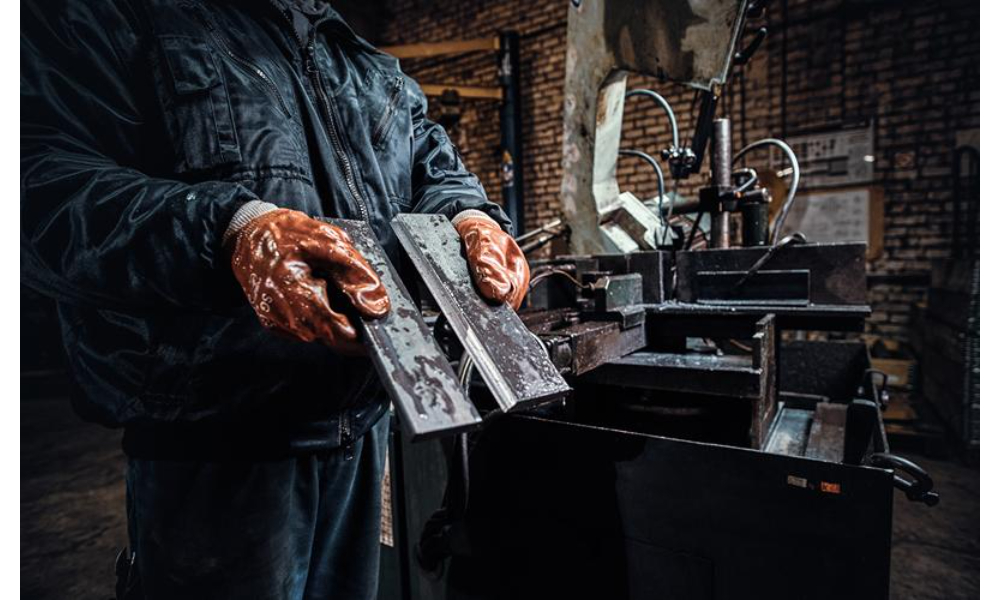
    Stainless steel is favoured for its ability to handle tough conditions without losing its structure. Its composition, which includes iron and chromium, creates a surface that naturally resists oxidation. This durability helps it remain steady in both high-moisture and high-temperature settings. For industrial fabricators, this means reduced maintenance and longer service life.

    In facilities that use CNC machine services, stainless steel remains a dependable material because it maintains precision during shaping, drilling, or milling. Its balance of toughness and flexibility ensures that intricate dimensions stay accurate even after multiple machining cycles. That combination of durability and precision keeps projects consistent from start to finish.

    Dependable for Diverse Applications

    Across industries, stainless steel adapts easily to varied requirements. It can be formed, bent, or welded without compromising quality. Its resistance to staining and corrosion also makes it suitable for both industrial and sanitary uses, from manufacturing equipment to cleanroom systems.

    When it comes to metal fabrication in Singapore, stainless steel is prized for its reliability during assembly and finishing. Workshops can create products that look polished while maintaining strength for long-term performance. This versatility supports a range of local industries, from construction to electronics manufacturing.

    Accuracy Through Technology

    The partnership between advanced machinery and stainless steel material continues to drive efficiency. With CNC machine services, every motion and measurement follows a programmed design, resulting in consistent, repeatable results. The ability to replicate exact specifications without variation keeps production lines smooth and dependable.

    Manufacturers benefit from this combination of accuracy and resilience. For components that face constant stress or vibration, stainless steel’s stability ensures both safety and longevity. It keeps machinery dependable and reduces downtime across fabrication and assembly processes.

    Practical and Sustainable by Design

    Stainless steel offers not only strength but also sustainability. It can be recycled repeatedly without compromising its core properties. This closed-cycle potential aligns with the current move toward eco-friendly manufacturing methods. Using recycled stainless steel reduces waste while preserving quality and performance.

    Many workshops focusing on metal fabrication in Singapore have implemented circular practices by reclaiming scrap material and converting it into new components. This strategy supports environmental goals while maintaining high production standards and cost efficiency.

    Efficiency That Outlasts Costs

    While stainless steel may initially cost more than mild steel or aluminium, its lifespan and reliability make it an economical option over time. Its resistance to corrosion and minimal upkeep reduce operational expenses, proving that durability brings real financial value.

    For companies offering CNC machine services, stainless steel’s stable nature reduces the strain on cutting tools, improving productivity and reducing downtime. Less tool wear means smoother workflows and lower maintenance costs. This consistency makes it a practical material for high-output environments.

    Staying Relevant in Modern Fabrication

    The ongoing use of metal fabrication in Singapore underscores stainless steel’s position as a trusted industrial material. As technology evolves, it continues to complement automation and precision manufacturing. It remains a dependable option for parts that demand balance between accuracy and endurance.

    The steady relationship between advanced fabrication methods and stainless steel highlights why it remains in demand. Its mechanical properties and visual appeal keep it relevant for modern design and engineering requirements.

    A Lasting Partnership of Strength and Skill

    Stainless steel’s value lies in its dependability. It can endure the pressure of production lines while maintaining a refined finish that suits industrial or commercial environments. Its ability to perform consistently ensures it remains a pillar of fabrication work across many fields. Contact Disk Precision Group to find out how stainless steel applications and CNC machine services can bring precision and durability to your next fabrication project.
  • Why a CNC Milling Machine Is Essential for Modern Metal Fabrication

    Why a CNC Milling Machine Is Essential for Modern Metal Fabrication

    Precision is the lifeblood of manufacturing, and few tools embody that better than the CNC milling machine. Built for consistency and detail, it transforms raw metal into accurate parts that fit perfectly every time. From intricate prototypes to heavy-duty industrial components, its role in workshops is as essential as the materials it shapes.

    The Foundation of Precision Work

    A CNC milling machine works by using rotating cutting tools that remove material layer by layer. Controlled by computer programming, the process allows engineers to follow exact designs with minimal deviation. The result is accuracy that manual milling could never achieve with the same speed or repeatability.

    Unlike older machines that depend on manual control, a CNC model executes programmed paths with minimal human input. Each cut, hole, or surface finish follows precise instructions, ensuring uniformity across batches. This precision helps maintain quality standards while keeping production efficient.

    The Role of Milling in Metal Fabrication

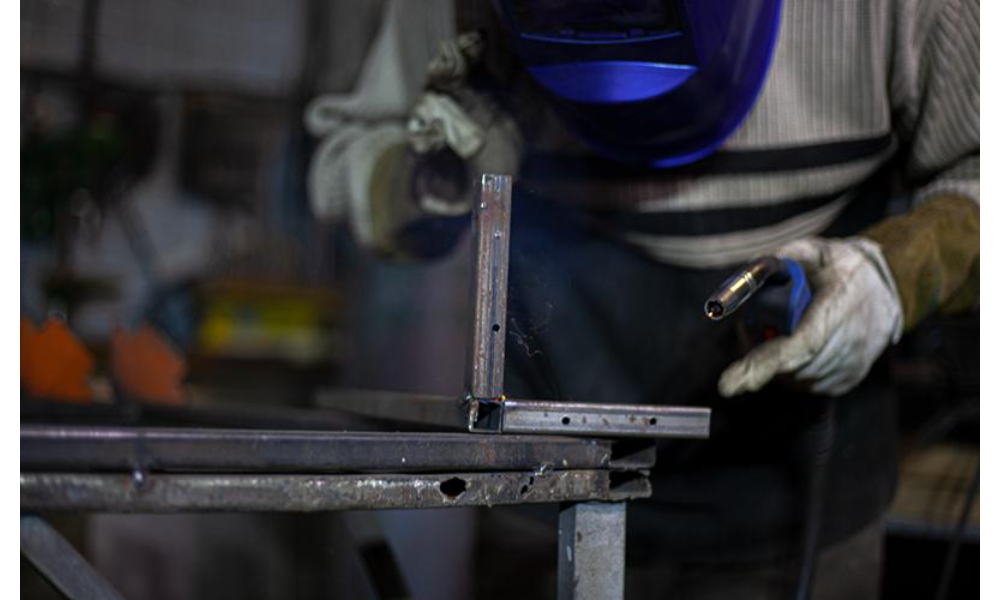
    In the world of metal fabrication, accuracy means fewer wasted materials and smoother assembly. Milling machines bring that advantage to every project. By shaping metals into clean, defined structures, they ensure that each piece fits its intended purpose without excessive rework.

    Fabricators depend on milling to create the base forms for complex builds. Whether producing frames, panels, or gears, the consistency of a CNC machine guarantees dependable results. The machine’s adaptability also makes it suitable for various metals, from aluminium to titanium. It is versatility that meets precision halfway.

    Programming and Automation at Work

    Modern milling systems merge mechanical accuracy with digital control. Once the design data is loaded, the CNC milling machine interprets every coordinate into movement. Axes shift, spindles rotate, and tools change smoothly to match each phase of the job.

    Automation not only saves time but also reduces human error. Each operation runs within programmed tolerances, ensuring that every dimension is correct. For fabricators, this means consistent output and fewer delays. Machines that can run overnight or during lean staffing hours help keep workshops productive without compromising quality.

    How CNC Milling Shapes Efficiency

    The real value of milling lies in its ability to combine speed with detail. The process removes material efficiently while retaining high precision, giving workshops the best of both results. That consistency supports other fabrication processes like welding or assembly, where accurate parts simplify alignment and joining.

    When incorporated into metal fabrication, milling also supports sustainability by reducing scrap. Every programmed pass removes only what is necessary, maximising material use. This efficiency translates into lower costs and less waste, a benefit both practical and environmental.

    Durability Through Design

    A well-maintained milling system provides years of dependable service. Its design minimises vibration, keeping surfaces smooth and measurements consistent. With scheduled calibration and tool checks, workshops can rely on the machine’s stability for long production runs.

    Operators who understand tooling selection and machine settings can extend the lifespan of both tools and equipment. Proper setup ensures steady output while reducing wear. The combination of mechanical strength and digital control makes these systems vital for industries demanding reliability.

    Supporting Modern Production Needs

    Industries that rely on precision cannot function without dependable tools. For metal fabrication teams, the CNC mill serves as a central element in daily operations. It connects design intent with real-world manufacturing results, linking creativity to measurable accuracy.

    As product designs become more detailed, the ability to replicate parts consistently grows more important. With the help of digital programming, a single setup can produce dozens or hundreds of identical pieces. That repeatability builds trust with clients and keeps production on schedule.

    Balancing Technology and Skill

    While the machine handles the precision, human oversight keeps everything in harmony. Operators still monitor feed rates, inspect tools, and ensure alignment. Their expertise turns programming into tangible products. The partnership between technology and craftsmanship remains at the core of quality production.

    Training helps new machinists understand how to operate the equipment and why small details matter. Knowing when to adjust a tool path or check coolant flow can make the difference between good and exceptional results. In this balance of man and machine, progress is measured in microns and minutes.

    Why It Remains Indispensable

    The CNC milling machine has become the backbone of accurate fabrication. Its ability to turn complex designs into finished components keeps industries moving efficiently. For manufacturers who prioritise consistency, speed, and quality, it remains a practical investment rather than a luxury. The process may rely on machines, but it thrives on precision and teamwork. Contact Disk Precision Group to learn how CNC milling machine solutions can support your fabrication needs with accuracy, efficiency, and lasting value.