
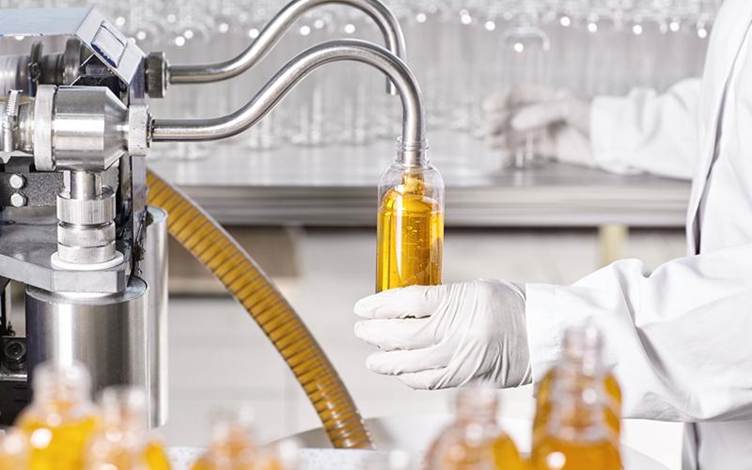

Manufacturing environments rely heavily on consistency, speed, and accuracy, and many industries turn to precision dispensing to improve output quality and reduce waste. From electronics and automotive parts to medical devices and consumer goods, controlled application of adhesives, lubricants, and coatings is essential. Fluid dispensing systems support these requirements by delivering repeatable results, minimising production errors, and improving overall workflow efficiency. Companies that adopt these technologies, including users of advanced solutions from providers like Unicontrols, often see smoother operations and more reliable product performance.
Enhancing Accuracy and Reducing Material Waste
One of the biggest advantages of precision dispensing is its ability to ensure exact application of fluids. Manufacturers deal with materials that require strict volume control, such as adhesives, epoxy resins, and sealants. Even slight inconsistencies can impact product performance or cause functional issues. By utilising controlled dispensing technologies, operators apply the correct amount every time, improving both accuracy and consistency. This precision supports better bonding, cleanliness, and structural reliability across the production line.
Material waste is another concern for industries that handle expensive or sensitive substances. Advanced fluid dispensing systems help reduce excess use by preventing overapplication. This saves costs, minimises rework, and supports sustainable manufacturing practices. Automated tools measure and deliver only the required amount, helping companies achieve predictable consumption rates. Over time, reduced material wastage directly contributes to lower production costs and more environmentally responsible operations.
Supporting Complex and High-Precision Applications
Many industries deal with components that require extremely small or highly controlled fluid deposits. In electronics manufacturing, for example, circuit boards need careful dispensing of solder paste or adhesives. Precision dispensing ensures that each droplet or line is placed accurately, preventing short circuits or structural failure. This capability is also important in the medical sector, where devices require clean and consistent adhesive points for safe use.
Advanced fluid dispensing systems can handle a wide range of viscosities, from thin liquids to thicker materials. This flexibility allows manufacturers to utilise the same system for multiple applications without sacrificing quality. The ability to fine-tune pressure, timing, and volume ensures that even complex designs receive the exact amount of material.
Increasing Production Speed and Workflow Efficiency
Manufacturers constantly seek ways to improve throughput without compromising quality. Precision dispensing supports this goal by enabling faster and more reliable application processes. Automated systems can dispense fluids at high speeds without the delays associated with manual work. This helps reduce cycle time per unit and increases the number of items produced within the same timeframe. The result is faster workflows and improved revenue potential for businesses that rely on quick turnaround.
Automation also reduces manual intervention, allowing operators to focus on higher-value tasks. When fluid dispensing systems handle repetitive or delicate applications, the risk of human error decreases significantly. This improves overall process efficiency and reduces downtime. Companies that invest in high-performance solutions such as those provided by Unicontrols often benefit from smoother and more predictable production schedules.
Improving Quality Control and Consistency
Consistency is key in any manufacturing process, and precision dispensing plays a central role in maintaining uniform product standards. Automated systems remove guesswork, ensuring that each product meets the same specifications. Quality control teams benefit from predictable results, reducing the number of rejected units and improving overall customer satisfaction.
Data tracking and automated monitoring built into modern fluid dispensing systems also support stronger quality control. These systems record dispensing rates, volume accuracy, and production output, allowing teams to identify potential issues quickly. This level of visibility improves traceability across the production line and helps companies maintain compliance with industry requirements. Reliable dispensing performance builds long-term trust in the manufactured product.
Conclusion
Manufacturers that adopt precision dispensing gain improvements in accuracy, speed, and product quality. Modern fluid dispensing systems reduce material waste, enhance workflow efficiency, and support complex applications across various industries. With the help of advanced solutions from companies like Unicontrols, businesses can optimise production processes and achieve more consistent results. Precision-based dispensing is vital for companies seeking reliability and competitive performance.
Contact Unicontrols today to explore precision dispensing products for your needs.