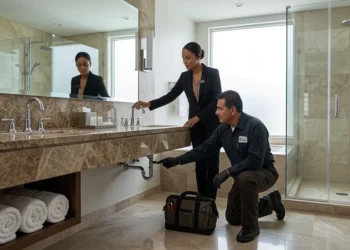
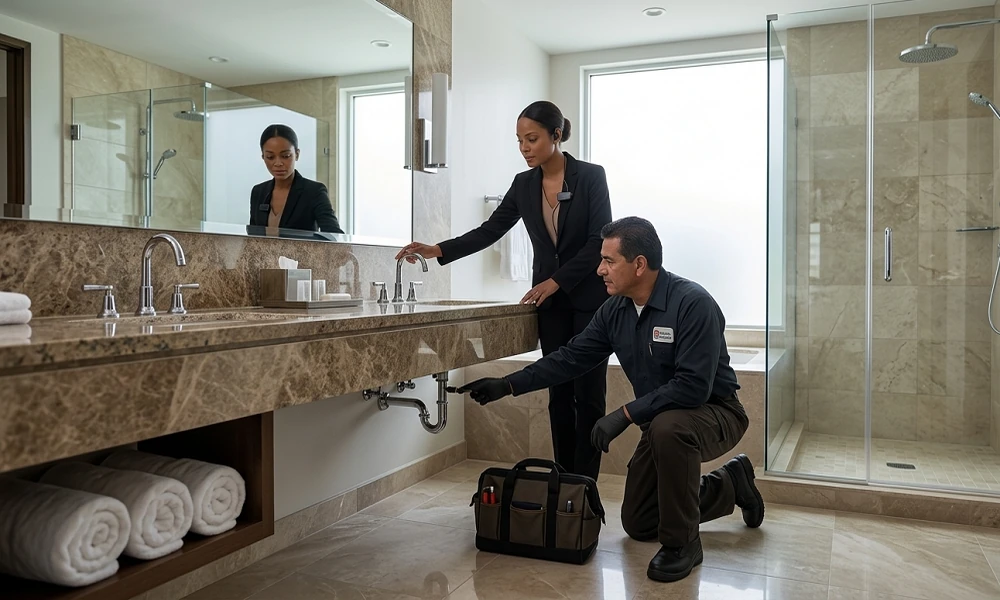

Guests rarely think about the drains behind a comfortable hotel stay. They notice when a shower empties slowly, a bathroom smells unpleasant, or a maintenance visit interrupts their rest. For hotel managers, these small details connect building upkeep directly to the guest experience.
A thoughtful maintenance plan gives drainage the same attention as room readiness and housekeeping. The goal is to spot recurring problems, arrange access before disruptions grow, and give every department clear instruction. Reliable service begins with understanding how the property operates throughout the day.
Start with the Hotel’s Daily Rhythm
A hotel has several overlapping schedules. Guests shower before breakfast, housekeeping prepares rooms between departures and arrivals, and kitchens handle meal service. Laundry activity adds another demand that may continue well into the evening.
Before arranging work, managers should review occupancy forecasts, group bookings, restaurant hours, and room turnover. A quiet period at reception may still be a busy period elsewhere.
Create a practical access plan with the plumbing provider. Identify the affected rooms, service entrances, equipment routes, and fixtures that may need to remain unused. Include time for testing and cleanup before releasing rooms. Overnight work deserves particular care because noise can travel into sleeping areas.
Build the Schedule Around Actual Conditions
Maintenance intervals should reflect the property’s history, usage, and plumbing condition. A heavily used kitchen line may need a different schedule from a guest bathroom branch. Repeated blockages deserve investigation rather than another identical response.
Record the location, date, symptoms, and outcome of each service call. Housekeeping reports can reveal useful patterns, such as several slow showers on one floor or odors that return after cleaning.
When comparing proposals for commercial drain cleaning, managers should look beyond the visit frequency. The scope should explain which lines are included, how access will work, and what findings might require separate repairs. Clear documentation makes future decisions easier.
Treat Kitchen Drainage as a Separate Priority
Hotels with restaurants, breakfast stations, or banquet kitchens need a focused food service plan. Coordinating drain cleaning for restaurants within the wider hotel schedule helps protect meal preparation and dining operations.
Kitchen habits matter between professional visits. Miami-Dade County’s guidance on keeping fats, oils, and grease out of drains recommends wiping cooking equipment before washing and keeping food scraps out of sinks. These practices help limit the material entering wastewater lines.
Grease interceptor servicing and pipe cleaning address different parts of the system. Managers should confirm which tasks a proposal covers and coordinate them with the kitchen team. Delivery windows, food preparation, and end-of-service cleanup all belong in that conversation.
Make Prevention Part of Everyday Operations
Housekeepers and maintenance staff often notice drainage changes first. A simple reporting process should capture slow flow, unusual sounds, recurring odors, or water appearing where it should not.
Staff also need clear disposal practices. The EPA’s advice to keep wipes and other waste out of toilets explains that these materials can damage plumbing and sewer systems. Convenient waste bins and consistent housekeeping procedures support that guidance.
Reports should reach a named person who can arrange assessment and track completion. Staff should describe symptoms accurately rather than assume every odor or slow fixture has the same cause. This makes the handoff to the plumbing team more useful.
Agree on the Work Before Equipment Arrives
A useful service discussion covers the suspected problem, inspection needs, proposed cleaning method, and expected interruption. Ask how pipe condition affects the approach and what happens if the technician discovers damage.
For properties in Greater Miami, WM Plumbing lists commercial drain cleaning, video camera inspections, and preventive maintenance among its services. These options give managers a starting point for discussing recurring drainage concerns and a property-specific schedule.
Planning for cleaning commercial drains should also address floor protection, equipment movement, and communication with reception. Confirm who can approve additional work, which rooms remain unavailable, and how completion will be reported. A clear scope helps prevent avoidable confusion during a busy shift.
Close the Loop Before Welcoming Guests Back
A service visit should end with an operational handoff. Confirm that the affected fixtures have been tested, work areas cleaned, and any remaining concerns documented. Reception and housekeeping should know when rooms or facilities are ready to return to use.
Keep the service findings with the maintenance log and adjust the next visit when evidence supports a change. The strongest plan develops with the building’s needs and the hotel’s operating calendar.
Visit the company’s website to discuss a maintenance plan that supports dependable drainage and a comfortable guest stay.