

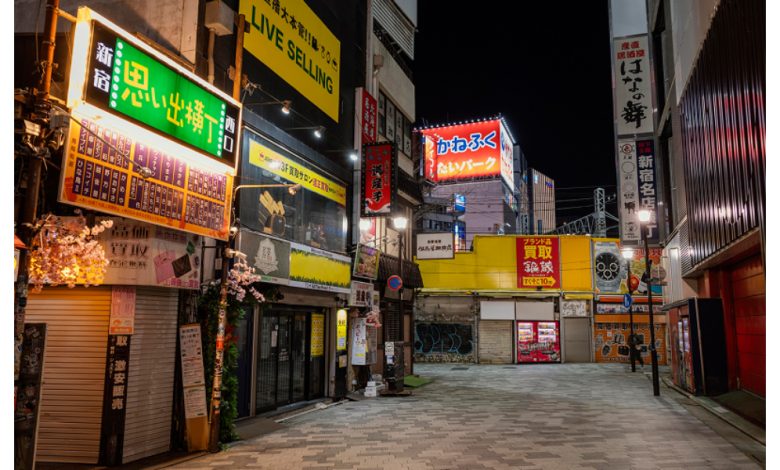
A precise plan facilitates visual selections, especially as competition for attention increases tighter year after year. Street after street, signs blur together, and many businesses struggle to stand out for the right reasons. Small adjustments in approach shape how a message lands long before a customer steps inside. This is where a signboard in Singapore shifts from decoration to strategy, anchoring visibility to purpose rather than impulse. From here, the focus moves into a practical sequence, breaking the process into clear steps that turn intention into visible, working decisions.
1. Set the Objective Before Choosing the Format
Every effective sign starts with intent. Some businesses aim to guide foot traffic, while others focus on reinforcing recall after a first visit. Clarifying this goal sets boundaries and prevents design decisions from drifting. A signboard serves many roles, yet clarity narrows the options to what truly supports daily operations.
Consider where the sign fits within the customer journey. Street-facing signs support discovery, while interior-facing panels reinforce confidence once someone enters. Thinking through this sequence reduces clutter and strengthens coherence. This planning stage saves revisions later and keeps the signboard in Singapore aligned with practical needs rather than short-term trends.
Regulatory context matters early as well. Size limits, lighting rules, and placement guidelines influence feasibility. Factoring these into the objective avoids redesign cycles that slow progress and inflate cost.
2. Match Materials and Lighting to Surroundings
Once intent feels solid, attention shifts to materials and light behaviour. Surroundings shape perception more than many realise. A busy junction calls for restraint, while a quieter stretch may welcome a stronger contrast. Here, neon signs come into focus as a deliberate choice rather than a default feature.
Neon signs carry character, yet they perform best when tuned to context. Warm tones suit hospitality spaces, while cooler hues lean towards contemporary retail. Position and scale influence legibility at different distances. Testing mock placements helps gauge impact before installation locks decisions in place.
Durability deserves equal weight. Heat, rain, and constant exposure test finishes daily. Choosing surfaces and lighting components designed for outdoor use extends lifespan and maintains consistency. When neon signs align with environmental demands, upkeep becomes predictable instead of reactive.
3. Refine Message and Layout With Restraint
With structure and materials settled, content refinement begins. Less information invites quicker comprehension. Clear naming, readable type, and measured spacing prevent fatigue. A signboard in Singapore benefits from this restraint, especially in dense commercial areas where visual noise competes at every angle.
Hierarchy guides the eye. Primary identifiers come first, followed by supporting details if space allows. Avoid squeezing every message into a single panel. Instead, let clarity do the work. This approach supports recognition across repeated encounters and builds familiarity without explanation.
At this stage, lighting interaction deserves review again. Neon signs can frame text or highlight edges rather than dominate. Subtle use strengthens contrast and keeps the message legible during evening hours without overwhelming nearby features.
4. Plan Installation and Long-Term Care
Execution completes the cycle. Professional installation ensures alignment, safety, and compliance. Even a well-designed sign loses impact if mounted unevenly or wired poorly. A signboard faces constant exposure, so secure fixing and proper sealing protect the investment.
Maintenance planning begins on day one. Cleaning schedules, lighting checks, and surface inspections preserve appearance over time. Neon signs benefit from periodic assessment to ensure brightness remains consistent and connections stay sound. This prevents a gradual decline that passes unnoticed until impact fades.
Review performance after launch. Observe foot traffic patterns, visibility at different times, and customer feedback. Small adjustments keep the sign relevant as surroundings evolve. Treating signage as a living asset rather than a finished task sustains relevance year after year.
Conclusion
A thoughtful process turns signage into a steady presence rather than a fleeting statement. Clear intent, material awareness, disciplined design, and planned care shape results that last. When these steps align, a signboard in Singapore supports recognition naturally, while neon signs add character without distraction.
Contact My First Sign to discuss how a structured approach can translate your ideas into signage that fits its surroundings and stays effective over time.