
In the world of heavy infrastructure, the line between an ironworker and a lineman is often blurred by sweat and steel. Whether you’re hanging iron for a new substation or dead-ending a transmission line, your gear has to be an extension of your body. In Texas, we have a saying: “Don’t buy cheap tools, because you’ll pay for them with your joints.” This is especially true when you’re talking about the high-stakes world of climbing and structural assembly.
While most folks focus on the wires, the real magic happens where the steel meets the sky. This requires a unique blend of ironworker tools and specialized lineman tools, all held together by the most critical piece of equipment in your locker: the lineman belt.
The Foundation: The Modern Lineman Belt
Your lineman belt is more than just a place to hang your pliers; it’s your workstation and your primary safety net. Modern belts have come a long way from the stiff, single-strap leather hides of the 1950s. Today, we focus on “work positioning.” A high-quality belt allows you to lean back and use both hands for high-torque tasks-like using Lineman Impact Wrenches-without feeling like you’re going to slip.
When you’re combining the worlds of steel and power, your belt setup often incorporates ironworker tools like spud wrenches and sleever bars. The challenge is balancing that weight. A belt that isn’t ergonomically fitted can lead to “hip pinch” and lower back misalignment, which are career-killers in this industry.
Climbing the Steel: Materials That Matter
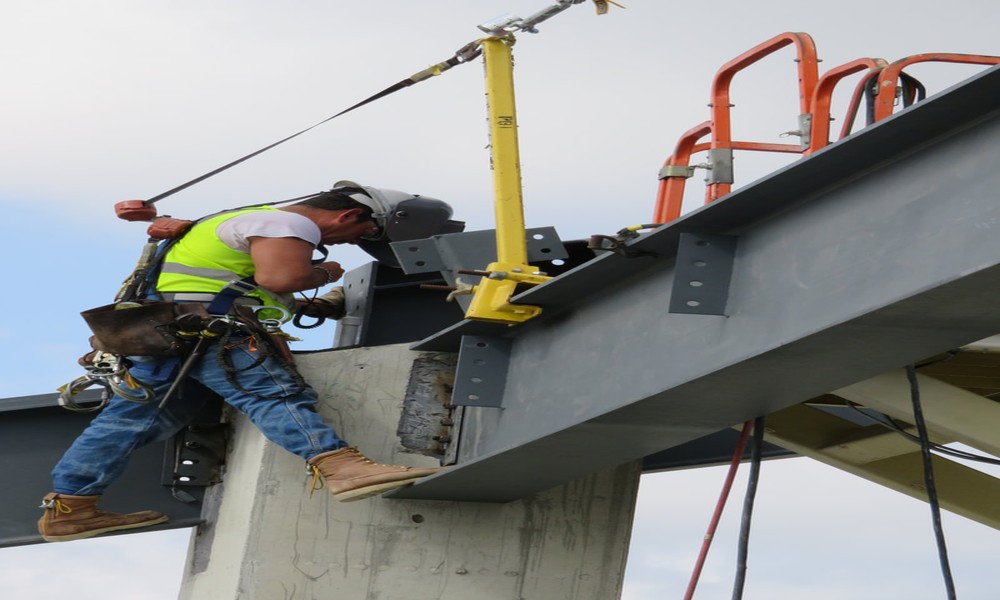
If you’re working on lattice towers, you’re often swapping between climbing with gaffs and “climbing the iron” with fall-protection lanyards. The material of your climbers-the metal shanks strapped to your legs-plays a massive role in your daily fatigue levels.
- Steel: The “Old School” choice. It’s heavy, but it’s nearly indestructible. If you’re working around jagged steel edges where gear gets beat up, steel is a rugged friend.
- Aluminum: The “Working Man’s Choice.” It’s significantly lighter than steel, which helps when you’re hauling a heavy lineman tools kit up a 100-foot tower.
- Titanium: The “Elite Choice.” It offers the best strength-to-weight ratio. For guys doing long-duration “hang time” on the iron, titanium reduces the constant pull on the lower back and hips.
Tools of the Trade: From Crimpers to Spuds
A lineman on a steel structure is a hybrid beast. You need the precision of an electrician and the brute force of a steel-hanger.
Daily life involves high-stakes connections. You’re using Crimpers-often hydraulic or battery-operated-to ensure that the lugs are compressed with enough force to handle thousands of volts. But you’re also using ironworker tools like bull pins to align holes in heavy steel crossarms.
When things get tight, you reach for your hand tools. But when things get heavy, you reach for the electrical hot stick. Even on steel structures, the shotgun stick is your primary defense. Whether you’re manipulating a disconnect or clearing a bird’s nest, that hot stick keeps the “magic juice” away from your heart.
The Ergonomics of Survival: Staying in the Game
Why do we talk about ergonomics so much? Because the utility industry is a marathon, not a sprint. If you don’t respect the science of your gear, your body will quit before your pension kicks in.
1) How do ergonomics reduce injury?
Ergonomics works by reducing the “peak loads” on your body. When a lineman belt is designed with a wide, padded back-brace, it distributes the weight of your tools across your entire pelvis rather than digging into your spine. This prevents acute injuries like slipped discs and chronic issues like sciatica.
2) What are ergonomic considerations for hand tools?
When selecting your hand tools, look for:
- Grip Texture: In the rain or when covered in wire pulling lubricant, a non-slip grip prevents the “over-squeezing” that leads to tendonitis.
- Tool Length: A longer handle on a wrench provides more leverage, meaning your shoulder does less work to achieve the same torque.
3) The science of design to reduce fatigue.
Modern tool design uses “center-of-gravity” engineering. For example, a top-tier Lineman Impact Wrench is balanced so that the weight of the battery counters the weight of the motor. This prevents your wrist from “fighting” the tool to keep it level, which drastically reduces forearm fatigue.
4) Identifying the ergonomic risk factors.
In our line of work, we deal with:
- Vibration: High-frequency vibration from power tools can cause “white finger” (Raynaud’s phenomenon).
- Static Loading: Holding a heavy electrical hot stick in one position for twenty minutes while a partner makes a connection.
- Pressure Points: Poorly designed climber straps cutting off circulation to the feet.
Pro-Tip: The “Iron-Man” Hybrid Setup
Most veterans have learned to customize their lineman tools kit. They might use a traditional leather lineman belt but swap out the standard tool pouches for reinforced ones that can handle the sharp points of ironworker tools.
When you’re outfitting your kit, remember that every ounce counts. If you can use a multi-functional tool-like a wrench that fits four different bolt sizes-you’re saving your back a world of hurt. Efficiency isn’t just about speed; it’s about energy conservation.
Conclusion
Whether you’re bolting down a transformer or shimmying up a cedar pole, your gear is your legacy. By investing in high-quality materials, from your titanium climbers to your battery-powered Crimpers, you’re making a statement that you value your craft and your health. Don’t let the “tough guy” mentality stop you from using ergonomic gear. The toughest guy on the job is the one who can still climb a pole at 60 years old because he took care of his body at 25.
Keep your hot sticks clean, your lineman belt tight, and your eyes on the wire.
Frequently Asked Questions (FAQs)
1. Can I use ironworker tools like a spud wrench on a wood pole?
Technically, yes, but they are heavy. Spud wrenches are designed for aligning holes in steel. On a wood pole, a standard distribution wrench is usually lighter and more efficient.
2. Why is the “shotgun stick” called that?
It’s a nickname for a specific type of electrical hot stick that has a sliding handle mechanism-similar to a pump-action shotgun-that opens and closes a hook at the end to grab “eyes” on fuses and switches.
3. What’s the biggest mistake when choosing a lineman belt?
Buying a belt that is too small “hoping to lose weight.” A belt that doesn’t sit properly on your iliac crest (hip bone) will put all the tool weight directly onto your lower lumbar, leading to chronic back pain.
4. How do I maintain my battery-powered Lineman Impact Wrenches?
Keep them dry, but more importantly, keep the contacts clean. In our industry, dirt and metal shavings are everywhere. A quick blast of compressed air after a shift can prevent the motor from burning out.
5. Are insulated hand tools really necessary if I’m wearing rubber gloves?
Yes. In the safety world, we call this “redundancy.” If your glove gets a pinhole or a tear you didn’t notice, an insulated tool is the secondary barrier that keeps you from becoming part of the circuit.