
Walk through any hawker centre in Singapore during lunch hour, and you will witness a remarkable dance of commerce and sustenance. Behind the counter, a hawker uncle carefully portions char kway teow into containers. A few stalls down, someone boxes up chicken rice with practiced efficiency. These moments, repeated thousands of times daily across the island, depend entirely on food packaging boxes that bridge the gap between kitchen and customer. For the workers who prepare our meals and the families who consume them, these simple containers represent far more than convenience; they embody food security, public health, and economic survival in one of the world’s most expensive cities.
The Economics of Survival
For Singapore’s food vendors, particularly the small operators running hawker stalls and home-based catering businesses, food packaging boxes constitute a significant operational expense. These entrepreneurs operate on thin margins, where every dollar counts toward paying rent, purchasing ingredients, and supporting families. The choice of packaging is never merely aesthetic; it is an economic calculation that can determine whether a business remains viable.
A hawker operating a nasi lemak stall shared, “The food packaging boxes I choose must be affordable, but they also need to keep the food hot and presentable. If customers receive soggy, collapsed boxes, they won’t return. My livelihood depends on these small details.”
This reality extends across the food service ecosystem. Catering companies serving weddings and corporate events must balance cost against presentation. Home bakers selling kueh and cakes online need packaging that protects delicate items during delivery. Each decision about food packaging boxes ripples through household budgets and business sustainability.
The Architecture of Food Safety
In Singapore’s tropical climate, where heat and humidity create ideal conditions for bacterial growth, food packaging boxes serve a critical public health function. They are not merely containers but barriers against contamination, shields protecting consumers from foodborne illness. The National Environment Agency’s stringent food safety regulations reflect this understanding, and food packaging boxes must meet specific standards to be deemed suitable for contact with consumables.
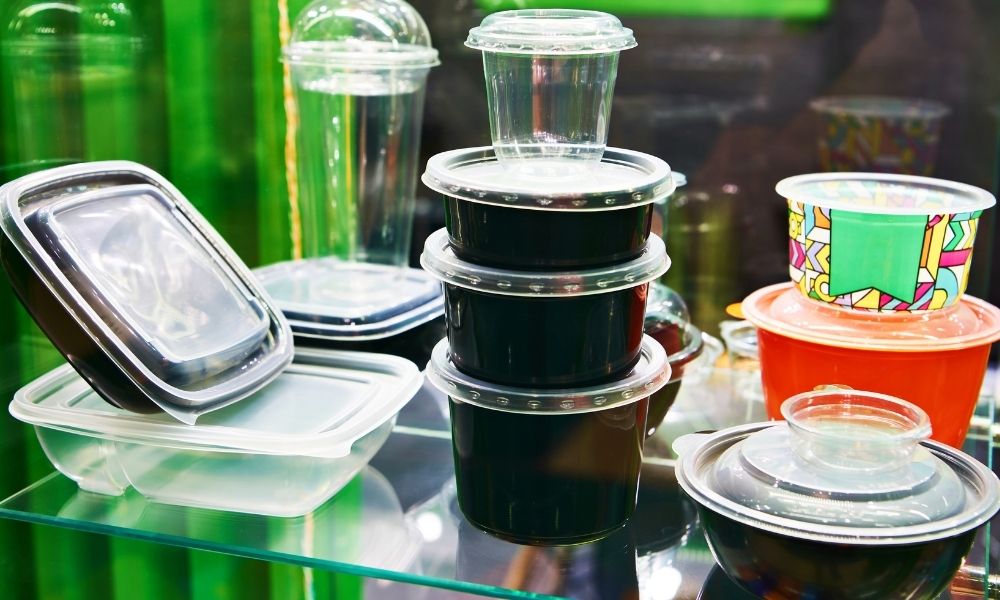
Consider the features that make food packaging boxes safe and effective:
Food-grade materials
Certified non-toxic materials that do not leach chemicals into food, particularly when heated.
Moisture resistance
Preventing sogginess whilst maintaining structural integrity during transport.
Temperature tolerance
Withstanding hot foods without warping or releasing harmful substances.
Secure closures
Preventing spillage and maintaining hygiene during delivery.
Compartmentalization
Keeping different food items separated to preserve flavours and textures.
These technical specifications translate directly into human well-being. A child eating lunch from a food packaging box at school deserves the same safety assurance as a diner eating from porcelain in a restaurant. The box becomes the intermediary that ensures this equity of safety.

The Labour Behind Every Meal
Behind every food packaging box filled with curry or soup lies invisible labour. Delivery riders navigate Singapore’s roads in all weather, carrying meals to offices and homes. These workers, many of whom are migrants supporting families abroad, depend on reliable food packaging boxes that do not leak or collapse, protecting both the food and their ability to earn positive ratings from customers.
One delivery rider observed, “When restaurants use poor-quality food packaging boxes that leak, I receive complaints and bad reviews. My income suffers even though the packaging choice wasn’t mine. Good boxes protect everyone in the chain.”
This observation reveals a deeper truth about Singapore’s food delivery economy. The gig workers at its foundation operate with little buffer against error. A spilled meal means lost income, potential penalties, and damaged reputations. The quality of food packaging boxes thus becomes intertwined with economic justice, determining who prospers and who struggles in the modern food ecosystem.
Environmental Considerations and Trade-offs
The rise of food delivery during recent years has created mountains of food packaging boxes, generating waste that Singapore’s limited landfill space struggles to accommodate. The tension between convenience and environmental sustainability grows more acute with each passing year.
Many food packaging boxes now feature biodegradable or recyclable materials, responding to both regulatory pressure and consumer demand. Yet these eco-friendly options typically cost more, placing an additional burden on small operators already managing tight budgets. A catering business owner lamented, “I want to use sustainable food packaging boxes, but the price difference is significant. I’m caught between environmental responsibility and keeping my prices competitive.”
This dilemma reflects broader questions about who bears the cost of environmental protection. Should small hawkers and home bakers absorb higher packaging costs, or should society collectively support sustainable transitions through subsidies or incentives?
The Cultural Significance of Takeaway
Food packaging boxes have become vessels carrying not just sustenance but culture itself. They transport rojak, laksa, and biryani from kitchens to dining tables, enabling the culinary diversity that defines Singapore. During festivals, these boxes deliver festive foods to elderly residents unable to leave their homes, maintaining community bonds across physical distance.
Another food vendor reflected, “The food packaging boxes I use during Chinese New Year carry more than cookies. They carry tradition, connection, and care to customers I may never meet.”
Conclusion: Dignity in Every Container
The humble food packaging box, often discarded without thought, deserves deeper consideration. It represents the intersection of public health, economic survival, environmental responsibility, and human dignity. For the hawker packing lunch, the delivery rider transporting it, and the office worker consuming it, these containers facilitate daily life in Singapore’s dense urban landscape. As the city continues evolving, as food delivery grows and environmental awareness deepens, the role of food packaging boxes will only increase in significance, demanding solutions that honour both practical necessity and our collective responsibility to workers, consumers, and the planet that sustains us all.