
The advancement of materials science continues to expand the boundaries of construction and engineering. As transportation infrastructure advances technologically, the industry strives for improved durability, reduced maintenance costs, and enhanced performance. Glass Fiber Reinforced Polymer (GFRP) emerges as a game-changing material rapidly transforming how we approach infrastructure design and construction.
A material beyond traditional limits
Modern infrastructure faces unprecedented challenges. Harsh environmental conditions, increasing traffic loads, and the need for sustainable solutions demand materials that withstand extreme conditions while offering unprecedented longevity. Steel reinforcement has long been preferred, but emerging technologies challenge that method.
GFRP represents a quantum leap in material engineering. The composite material combines the best of both worlds – incredible strength and remarkable lightweight properties. Engineers and researchers have discovered that this innovative material outperforms conventional reinforcement methods in critical aspects.
Corrosion resistance
The benefit of GFRP is its exceptional corrosion resistance. Unlike steel, which gradually deteriorates when exposed to salt, moisture, and chemical environments, GFRP maintains its structural integrity under challenging conditions. By adopting this revolutionary material, bridges, coastal infrastructure, and transportation structures in harsh climates dramatically extend their service life. Coastal cities and regions with high humidity have particularly embraced GFRP technology. This material is ideal for infrastructure projects where traditional steel reinforcement would quickly succumb to environmental degradation.
Structural performance redefined
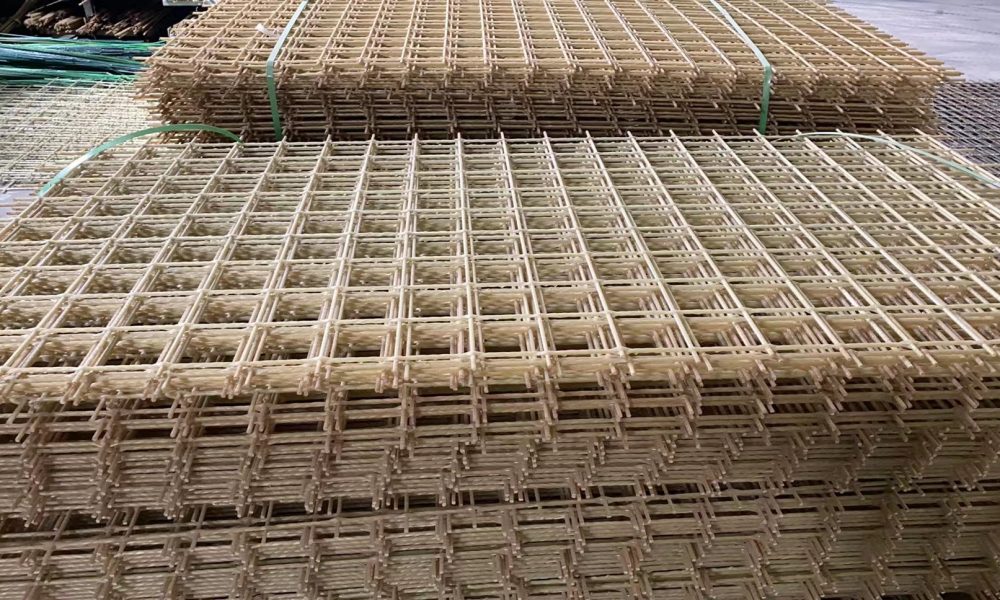
The weight-to-strength ratio of GFRP is nothing short of remarkable. Weighing approximately 70% less than traditional steel reinforcement, it offers significant advantages in transportation infrastructure projects. Reduced material weight translates directly into lower transportation costs, easier installation, and decreased structural load. Construction teams can now design more complex and innovative structures without compromising strength or durability. The FRP rebar has become a critical component in next-generation infrastructure development, offering engineers unprecedented design flexibility.
Sustainability at its core
Modern engineers are committed to the environment, and GFRP stands out as a green alternative to traditional materials. The production process generates fewer carbon emissions compared to steel manufacturing, and the material’s extended lifespan means reduced long-term environmental impact. The durability of GFRP means fewer maintenance interventions and replacements. This translates to decreased resource consumption and lower lifecycle costs for infrastructure projects. Governments and private developers increasingly recognise this innovative material’s long-term economic and environmental benefits.
Future perspectives
Despite its impressive characteristics, GFRP is not without challenges. Higher initial material costs and the need for specialized installation techniques have slowed widespread adoption. As manufacturing processes improve and awareness grows, these barriers rapidly diminish. Ongoing research continues to refine GFRP technologies. Advanced computational modelling and enhanced manufacturing techniques promise even more impressive performance characteristics in the coming years. The potential of this revolutionary material is being explored by universities and research institutions worldwide.
Glass Fiber Reinforced Polymer represents more than a technological advancement – it symbolizes the future of smart, sustainable infrastructure. The complexity of transportation networks and the increase in environmental challenges will require resilient, efficient structures built from materials like GFRP. The journey of GFRP from a niche material to a mainstream infrastructure solution is just beginning. This technology could revolutionize building and infrastructure development.