
Blog

  • Why a CNC Milling Machine Is Essential for Modern Metal Fabrication

    Why a CNC Milling Machine Is Essential for Modern Metal Fabrication

    Precision is the lifeblood of manufacturing, and few tools embody that better than the CNC milling machine. Built for consistency and detail, it transforms raw metal into accurate parts that fit perfectly every time. From intricate prototypes to heavy-duty industrial components, its role in workshops is as essential as the materials it shapes.

    The Foundation of Precision Work

    A CNC milling machine works by using rotating cutting tools that remove material layer by layer. Controlled by computer programming, the process allows engineers to follow exact designs with minimal deviation. The result is accuracy that manual milling could never achieve with the same speed or repeatability.

    Unlike older machines that depend on manual control, a CNC model executes programmed paths with minimal human input. Each cut, hole, or surface finish follows precise instructions, ensuring uniformity across batches. This precision helps maintain quality standards while keeping production efficient.

    The Role of Milling in Metal Fabrication

    In the world of metal fabrication, accuracy means fewer wasted materials and smoother assembly. Milling machines bring that advantage to every project. By shaping metals into clean, defined structures, they ensure that each piece fits its intended purpose without excessive rework.

    Fabricators depend on milling to create the base forms for complex builds. Whether producing frames, panels, or gears, the consistency of a CNC machine guarantees dependable results. The machine’s adaptability also makes it suitable for various metals, from aluminium to titanium. It is versatility that meets precision halfway.

    Programming and Automation at Work

    Modern milling systems merge mechanical accuracy with digital control. Once the design data is loaded, the CNC milling machine interprets every coordinate into movement. Axes shift, spindles rotate, and tools change smoothly to match each phase of the job.

    Automation not only saves time but also reduces human error. Each operation runs within programmed tolerances, ensuring that every dimension is correct. For fabricators, this means consistent output and fewer delays. Machines that can run overnight or during lean staffing hours help keep workshops productive without compromising quality.

    How CNC Milling Shapes Efficiency

    The real value of milling lies in its ability to combine speed with detail. The process removes material efficiently while retaining high precision, giving workshops the best of both results. That consistency supports other fabrication processes like welding or assembly, where accurate parts simplify alignment and joining.

    When incorporated into metal fabrication, milling also supports sustainability by reducing scrap. Every programmed pass removes only what is necessary, maximising material use. This efficiency translates into lower costs and less waste, a benefit both practical and environmental.

    Durability Through Design

    A well-maintained milling system provides years of dependable service. Its design minimises vibration, keeping surfaces smooth and measurements consistent. With scheduled calibration and tool checks, workshops can rely on the machine’s stability for long production runs.

    Operators who understand tooling selection and machine settings can extend the lifespan of both tools and equipment. Proper setup ensures steady output while reducing wear. The combination of mechanical strength and digital control makes these systems vital for industries demanding reliability.

    Supporting Modern Production Needs

    Industries that rely on precision cannot function without dependable tools. For metal fabrication teams, the CNC mill serves as a central element in daily operations. It connects design intent with real-world manufacturing results, linking creativity to measurable accuracy.

    As product designs become more detailed, the ability to replicate parts consistently grows more important. With the help of digital programming, a single setup can produce dozens or hundreds of identical pieces. That repeatability builds trust with clients and keeps production on schedule.

    Balancing Technology and Skill

    While the machine handles the precision, human oversight keeps everything in harmony. Operators still monitor feed rates, inspect tools, and ensure alignment. Their expertise turns programming into tangible products. The partnership between technology and craftsmanship remains at the core of quality production.

    Training helps new machinists understand how to operate the equipment and why small details matter. Knowing when to adjust a tool path or check coolant flow can make the difference between good and exceptional results. In this balance of man and machine, progress is measured in microns and minutes.

    Why It Remains Indispensable

    The CNC milling machine has become the backbone of accurate fabrication. Its ability to turn complex designs into finished components keeps industries moving efficiently. For manufacturers who prioritise consistency, speed, and quality, it remains a practical investment rather than a luxury. The process may rely on machines, but it thrives on precision and teamwork. Contact Disk Precision Group to learn how CNC milling machine solutions can support your fabrication needs with accuracy, efficiency, and lasting value.

  • The Role of Metal Waste Recycling in Automotive Manufacturing

    The Role of Metal Waste Recycling in Automotive Manufacturing

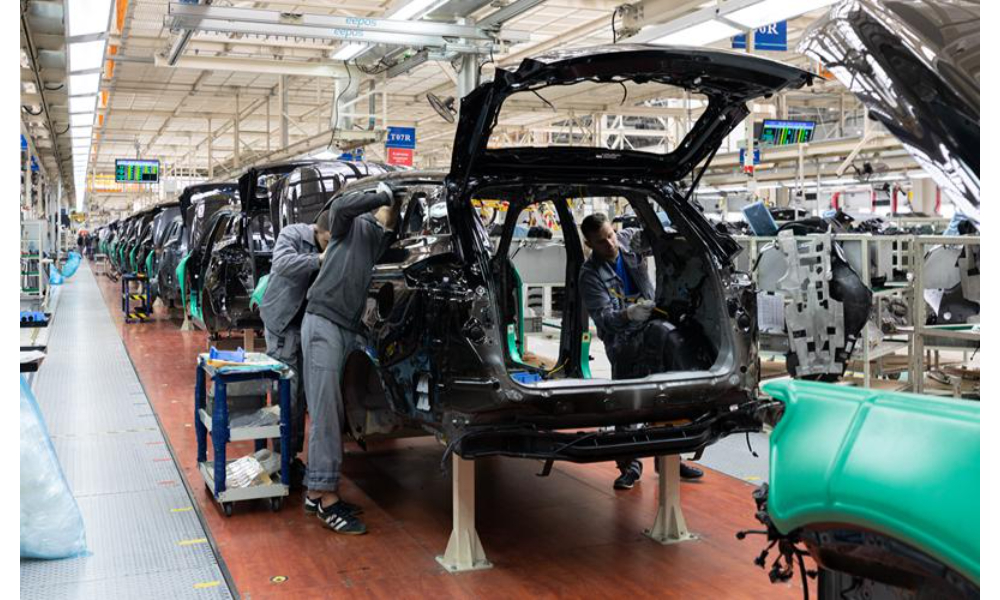
    In today’s automotive industry, efficiency and sustainability are no longer optional; they’re essential. Car manufacturers across the U.S. are under growing pressure to reduce environmental impact without sacrificing quality or performance. This is where metal waste recycling comes into play. Every stage of production, from CNC milling to final assembly, generates some level of scrap. Instead of letting these materials go to waste, recycling them has become a key part of modern manufacturing.

    Metal waste recycling isn’t just good for the environment. It also offers manufacturers a chance to save money, conserve resources, and streamline production processes. As the demand for electric vehicles and lightweight designs continues to rise, recycling provides an efficient way to source high-quality metals while maintaining consistent production standards.

    How Metal Recycling Powers Automotive Production

    The automotive industry relies heavily on metals such as steel, aluminium, and copper to build everything from engine blocks to chassis components. When a car is manufactured, each process, particularly those involving CNC milling, creates byproducts that can be collected and reprocessed. Through recycling, these leftover materials are melted down, purified, and reintroduced into the production line.

    This process helps manufacturers maintain a steady supply of quality metal while reducing dependency on new raw materials. It also minimizes the carbon emissions typically associated with mining and refining virgin metals. By keeping the materials in circulation, companies can produce more vehicles with fewer environmental costs.

    The Financial and Environmental Benefits of Recycling

    Metal waste recycling provides tangible financial benefits for automakers. When metal scraps are recovered from machining and assembly processes, they represent potential savings. Rather than paying for waste disposal, manufacturers can sell or reuse these materials. Over time, this approach reduces overall production expenses while improving operational efficiency.

    From an environmental standpoint, recycling plays a critical role in reducing the automotive industry’s carbon footprint. It cuts down on the need for mining, which is not only energy-intensive but also environmentally disruptive. For instance, reusing aluminium requires only about 5% of the energy needed to produce it from ore. The same logic applies to other metals commonly used in car parts.

    The Link Between Metal Fabrication and Recycling Efficiency

    Metal fabrication processes are where recycling efforts truly shine. In modern automotive facilities, fabrication techniques such as welding, cutting, and forming produce offcuts and excess material. Instead of being discarded, these metal pieces can be efficiently sorted, melted, and recycled for reuse. The combination of advanced fabrication technology and recycling initiatives results in a more sustainable production cycle.

    Additionally, innovations in metal fabrication have made it easier to design vehicle parts that can be disassembled and recycled more effectively at the end of a car’s life. This shift toward circular manufacturing means that automakers are now thinking beyond the initial build. They’re designing vehicles with their future recyclability in mind.

    CNC Milling and Precision in Recycling Processes

    CNC milling plays a central role in ensuring precision and consistency in automotive component production. Every part produced through this technique meets exact design specifications, which helps minimize waste from manufacturing errors. However, even in such controlled processes, metal chips and cuttings accumulate. Recycling these byproducts allows manufacturers to recover valuable material without compromising quality or performance.

    Modern CNC milling machines are equipped with systems that automatically collect and separate metal waste for recycling. This not only helps maintain a clean workspace but also ensures that no useful material goes to waste. Over time, this approach leads to a more cost-efficient and environmentally responsible production line.

    The Future of Sustainable Automotive Manufacturing

    As global demand for vehicles continues to grow, automakers are embracing new technologies to keep their operations sustainable. Metal waste recycling, combined with advanced metal fabrication and CNC milling, will continue to play a pivotal role in shaping the industry’s future. Companies that invest in these practices aren’t just meeting environmental standards; they’re leading the way toward a more efficient and responsible form of manufacturing.

    The next step for many automotive firms is integrating smart recycling systems that use sensors and data analytics to track material flow. By doing so, they can predict when and where waste will occur and adjust processes to minimize it before it even happens. This type of innovation will likely define the next era of car production.

    Conclusion

    Metal waste recycling has become a cornerstone of sustainable automotive manufacturing. From CNC milling precision to metal fabrication efficiency, every step of the process benefits from smarter resource management. As the industry evolves, these practices will continue to drive cost savings, reduce environmental impact, and improve overall production quality.

    To learn more about sustainable manufacturing and recycling solutions, contact Disk Precision Group today.

  • The Rising Demand for Hybrid Vehicle Production

    The Rising Demand for Hybrid Vehicle Production

    In recent years, the global automotive industry has been shifting its focus toward sustainability and energy efficiency. Hybrid vehicles, which combine the benefits of traditional fuel engines and electric motors, are becoming increasingly popular among environmentally conscious consumers. This growing interest has led to a major rise in hybrid vehicle production across many countries, including Vietnam, where the manufacturing sector continues to evolve rapidly. Behind this transformation lies the vital role of advanced manufacturing technologies, especially those found in a CNC machine shop, which helps carmakers meet the precision demands of hybrid systems.

    What Drives the Popularity of Hybrid Vehicles

    Consumers today are more aware of the environmental impact of their choices. Rising fuel costs, stricter emission regulations, and growing concerns about climate change have pushed car manufacturers to innovate. Hybrid vehicles offer a middle ground between conventional gasoline cars and fully electric models, providing both improved fuel efficiency and reduced carbon emissions.

    In Vietnam and other parts of Asia, governments are encouraging green mobility through tax incentives and infrastructure support. As a result, more car manufacturers are investing in hybrid models to meet both local and export demands. However, producing these vehicles is not as simple as it seems. Each component, from the engine to the battery housing, requires exceptional precision and consistency to function flawlessly together. This is where automotive machining comes into play, ensuring that every part meets the tight tolerances necessary for hybrid technology.

    The Role of Advanced Manufacturing in Hybrid Vehicle Production

    Manufacturing hybrid vehicles involves an intricate combination of mechanical and electrical components. Each part must work seamlessly within a limited space while maintaining high performance and reliability. Traditional manufacturing methods often fall short of these requirements. That’s why companies increasingly rely on high-tech machining processes that can deliver accuracy at scale.

    A modern CNC machine shop is essential in this process. Using computer-controlled equipment, engineers can design and produce parts with incredible precision. From engine blocks to transmission components, CNC machining ensures that hybrid vehicle systems are built to perfection. This technology also allows for quick adjustments in design, helping manufacturers keep up with the rapid evolution of hybrid technology.

    How Automotive Machining Supports Innovation

    The backbone of hybrid vehicle production is precision engineering. Automotive machining plays a crucial role in this area by allowing manufacturers to produce complex parts with minimal errors. For example, the integration of electric motors into combustion engines requires highly detailed components that traditional machining might not achieve efficiently.

    With advanced equipment, such as multi-axis CNC machines, manufacturers can produce intricate parts that support high-performance hybrid drivetrains. Automotive machining also contributes to lightweighting efforts, which are vital for improving fuel efficiency. By using materials like aluminum or composite alloys and machining them precisely, carmakers can reduce vehicle weight without compromising strength or safety.

    Vietnam’s Growing Role in the Hybrid Vehicle Market

    Vietnam’s manufacturing sector is entering an exciting new phase, with several domestic and international companies investing in automotive technology. As global automakers look for cost-effective production hubs, Vietnam offers a promising environment due to its skilled workforce and expanding industrial infrastructure.

    Local suppliers and CNC machine shop owners are adapting quickly to meet international standards. They are investing in better equipment, training, and automation to serve the hybrid vehicle industry. This not only boosts Vietnam’s position in the global supply chain but also creates opportunities for high-value manufacturing jobs that contribute to the country’s economic growth.

    Challenges and the Road Ahead

    Despite the progress, challenges remain. Hybrid technology requires precision at every level, and even small deviations can impact performance. Manufacturers must maintain strict quality control while keeping production costs competitive. Additionally, as the industry transitions toward more electric-focused solutions, suppliers will need to stay flexible and embrace continuous innovation.

    This evolution will continue to depend heavily on technologies such as CNC machining and precision manufacturing systems. The more advanced these processes become, the better equipped manufacturers will be to meet future automotive demands.

    Conclusion

    The rise of hybrid vehicle production reflects a larger shift toward a more sustainable and efficient automotive industry. From concept to assembly line, every stage depends on precision engineering and advanced manufacturing. The capabilities offered by a CNC machine shop and the expertise behind automotive machining are driving this transformation forward, helping manufacturers build cleaner and smarter vehicles for the modern world.

    Contact Disk Precision Group to learn more about how advanced manufacturing can enhance your automotive projects.

  • How to Know If Your Retail Fit-Out Really Works

    How to Know If Your Retail Fit-Out Really Works

    You’ve invested in a sleek shopfront, curated displays, and stunning lighting, yet something still feels off. Sales might be steady, but foot traffic isn’t converting like you’d hoped. Could the issue be your store’s design itself? The truth is, a successful retail fit-out goes beyond fixtures and paint. It’s about creating an experience that resonates, where layout, lighting, flow, and emotion align to make customers linger and buy. Whether you’re a small boutique or managing multiple outlets, it’s time to put your space to the test.

    Does Your Store Speak Instantly?

    Step outside your store and walk in as though you were a customer. What’s the first thing you feel? Does the entrance communicate your brand identity clearly? Are your window displays inviting or overwhelming? Can passers-by instantly understand what you sell? That initial three-second impression can make or break a sale.

    In retail design in Singapore, storefronts act as silent salespeople. They must balance visual appeal with clarity, bold enough to attract attention, yet consistent with your brand story. A strategic retail fit-out ensures that even before customers step inside, they’re already intrigued. If your shopfront doesn’t tell your brand story at first glance, your fit-out may need refreshing.

    Are Customers Moving the Right Way?

    Once customers are inside, their path through your store matters. Studies show that people naturally veer to the right upon entering. Your retail fit-out should guide customers subtly, using layout, lighting, and focal points to encourage exploration. Congested or awkward spaces, product “dead zones”, and long queues blocking access to displays or fitting rooms are red flags to watch out for.

    If you’re noticing bottlenecks or areas customers seem to skip, re-examine your layout. Sometimes, shifting a display table or reorienting lighting can redirect movement and energy, creating smoother, more profitable traffic flow.

    Is the Atmosphere Inviting or Distracting?

    The most successful stores in retail design in Singapore engage all the senses. This multisensory design triggers memory, emotion, and purchase intent. Is your lighting flattering to your products? Are colours consistent with your brand? Is the music appropriate for your audience, or too loud to hold a conversation? Are materials and finishes inviting, or do they feel cold and clinical? Does your store smell fresh and distinctive, or is there no sensory signature at all?

    Evaluate your space through each sense. A good retail fit-out weaves these sensory details seamlessly. When customers feel at ease, they spend more time browsing and are more likely to spend.

    Are Your Bestsellers Getting the Spotlight?

    Your top-performing products deserve stage presence. In many cases, struggling retail stores unknowingly “hide” their most profitable items in poor lighting or hard-to-reach corners. Are high-margin products placed at eye level? Do your displays rotate often enough to stay fresh? Is your signage clear, or are promotions getting lost in clutter? Evaluate your store as if you were a customer.

    Smart retail design in Singapore integrates visual merchandising with interior flow. Every display feels intentional, every highlight tells a story, and customers naturally gravitate towards what you want them to see.

    Does Every Detail Reflect Who You Are?

    A cohesive brand experience is how every element of your store aligns with your identity. A well-executed retail fit-out aligns design language with brand promise. In Singapore’s competitive market, this consistency can be a key differentiator.

    Does my interior reflect my brand’s tone? Would a customer immediately associate this space with our digital presence? If the answer is uncertain, a visual refresh could reconnect your space with your story.

    Can Your Store Evolve Easily?

    Retail trends move quickly. What works today might feel outdated next year. That’s why flexibility is now a central theme in retail design in Singapore. When assessing your space, look for signs of rigidity. Are your fixtures modular or permanent? Can displays be easily swapped or updated?

    A forward-thinking retail fit-out allows for seasonal changes, pop-up promotions, or quick layout tweaks without disrupting daily operations. Adaptable design is an investment in longevity. A store that evolves with trends stays relevant and keeps customers coming back.

    Is Your Space Serving Their Needs or Yours?

    From fitting room accessibility to queue flow and seating options, the small details shape the larger shopping experience. Customer-centric retail design in Singapore focuses on interaction, not interruption. This means every design decision should enhance the visitor journey. If you’re unsure, invite feedback. A great retail fit-out is a living system that evolves as your brand, market, and customers change. By evaluating your store through the lenses of flow, sensory design, visibility, and flexibility, you’re improving aesthetics and fine-tuning performance. Every adjustment, no matter how small, builds towards a more cohesive, profitable, and engaging retail environment.

    Ready to assess your space? Start today with Dezign Format and see it through your customer’s eyes.

  • How to Make the Most of a Career Fair: A Practical Guide

    How to Make the Most of a Career Fair: A Practical Guide

    A career fair is an opportunity to connect with employers, explore job openings, and gain insights into different industries. Whether you are a fresh graduate, a mid-career professional, or someone exploring new paths, attending these fairs can significantly boost your job search. Pairing it with career coaching can help you navigate the process more confidently and strategically. To make the most of the experience, preparation and follow-through are essential.

    Research Before Attending

    Many job seekers make the mistake of going to a career fair without any prior research. Taking time to identify which companies will be present allows you to focus your efforts more effectively. Visit the event’s website, study the list of participating organisations, and shortlist the ones that align with your career goals. Knowing the types of roles available provides a clearer sense of how to position yourself when speaking to recruiters.

    Preparing targeted questions also makes a strong impression. Employers often remember candidates who show genuine interest in their organisation. A few well-thought-out questions about company culture, growth opportunities, or skill requirements can make your conversations more meaningful and memorable.

    Prepare Your Resume and Elevator Pitch

    Your resume plays a crucial role in career fairs. Bring several printed copies of a clean and concise CV tailored to the roles you are targeting. Highlight your most relevant skills, qualifications, and achievements. A well-prepared resume helps recruiters quickly understand your strengths and how you can contribute to their organisation.

    In addition to a resume, you should have a clear and confident elevator pitch. This short introduction should cover who you are, your background, and your career interests. Practising this in advance ensures you come across as articulate and prepared. It also demonstrates initiative, which can set you apart from other attendees.

    Dress and Present Yourself Professionally

    First impressions matter. Dressing appropriately for a career fair shows employers that you take the opportunity seriously. Aim for a smart, professional look, even if the industry you are targeting has a more casual dress code. Your appearance should reflect the professional image you want to project to potential employers.

    Presentation goes beyond clothing. Greet recruiters with a firm handshake, make eye contact, and speak clearly. Confidence and professionalism leave a lasting impression. Employers often remember candidates who display strong interpersonal skills and technical abilities.

    Leverage Career Coaching for Better Results

    Career coaching can be a valuable tool in preparing for and maximising the benefits of a career fair. A career coach can help you refine your resume, strengthen your pitch, and build your confidence for an interview. They can also offer tailored advice on how to highlight your skills and experiences effectively to potential employers.

    After the event, career coaching can support your follow-up strategy. A coach can help you craft personalised messages to recruiters, review job applications, and prepare for interviews. This additional guidance ensures that your efforts at the fair translate into real job opportunities.

    Network Strategically and Follow Up

    A career fair is an excellent place to expand your professional network. Speak to as many recruiters and representatives as possible, even if they are not your immediate target employers. Building connections can lead to unexpected opportunities. Keep your conversations concise, professional, and focused on your career objectives.

    Always collect business cards or contact details and follow up with a polite email within a few days. Express gratitude for the conversation, briefly restate your interest, and attach your resume if needed. These small steps help you stay fresh in the recruiter’s mind and strengthen your professional image.

    Conclusion

    Attending a career fair can open doors to valuable opportunities when approached strategically. By preparing in advance, presenting yourself professionally, networking effectively, and seeking career coaching, you can make a strong impression on employers. The combination of preparation and follow-up can help you stand out in a competitive job market and move closer to your career goals.

    Visit e2i today to explore how career coaching can help you stand out to employers.

  • How does an app for instant delivery improve rapid fulfilment?

    How does an app for instant delivery improve rapid fulfilment?

    Time-critical shipments demand immediate action where delays of even minutes undermine service commitments. Mobile platforms accelerate fulfilment cycles through automated coordination, replacing manual processes that consume precious time. Digital workflows eliminate communication bottlenecks between shipping requests and driver dispatch. Rapid fulfilment improvements from the Deliveree app for instant delivery usage stem from immediate driver matching, proximity assignment, automated workflows, priority management, and live visibility.

    Immediate driver matching

    Automated systems connect shipping requests with available drivers within seconds through intelligent algorithm processing. Digital matching eliminates manual coordinator involvement, where software instantly identifies suitable drivers based on location, vehicle type, and availability status. Automation speed reduces booking-to-assignment timeframes from minutes to seconds, accelerating overall fulfilment cycles. Real-time driver availability databases maintain current status information about the entire fleet capacities. Live data prevents contacting unavailable drivers or waiting for callback confirmations.

    Proximity assignment speed

    Location-based matching algorithms prioritise nearby drivers, minimising pickup travel time.

    • Geolocation analysis identifies drivers within the immediate vicinity of pickup addresses, calculating exact distances and estimated arrival times for optimal selection
    • Dynamic repositioning tracking updates driver locations continuously, ensuring assignment decisions reflect current positions rather than outdated information from minutes earlier
    • Travel time minimisation through nearest-driver selection reduces empty vehicle travel, cutting 10-15 minutes from typical fulfilment cycles compared to distant driver dispatch
    • Fuel efficiency gains from shorter pickup distances reduce operational costs, enabling providers to maintain affordable rates while delivering rapid service
    • Environmental impact reduction through minimised unnecessary mileage aligns with sustainability goals, where proximity matching serves ecological responsibility alongside speed objectives

    Automated dispatch workflows

    Digital systems execute multi-step coordination processes instantaneously without human intervention delays. Software automatically notifies selected drivers, transmits pickup details, updates shipment status, and triggers customer notifications within milliseconds. Parallel processing completes multiple tasks simultaneously, versus sequential manual steps consuming cumulative time. Error elimination through automated accuracy prevents communication mistakes like incorrect addresses or misread instructions. Digital precision ensures perfect information transfer from booking systems to driver applications.

    Priority queue management

    Urgent shipment flagging enables immediate processing, bypassing standard queues, where time-critical requests receive preferential treatment.

    • Express designation systems allow marking shipments requiring rapid handling, triggering elevated priority status throughout fulfilment workflows, ensuring urgent requests are processed first
    • Automated escalation protocols route priority requests to dedicated urgent-response drivers specialising in rapid fulfilment, maintaining specialised capacity for time-sensitive needs
    • Queue-jumping mechanisms place urgent shipments ahead of standard requests, preventing delays from waiting behind routine lower-priority deliveries during busy periods
    • Time-window enforcement tracks approaching deadlines, alerting systems when standard processing times risk missing commitment, triggering priority escalation, and preventing deadline breaches
    • Premium pricing options enable customers to purchase guaranteed rapid service, where financial incentives support priority resource allocation toward premium requests

    Instant delivery apps improve rapid fulfilment through immediate driver matching, proximity assignment, automated workflows, priority management, and live visibility. Digital platforms compress traditional multi-step coordination into streamlined computerised processes. Technology helps speed up the delivery process and can complete urgent orders faster by using better planning and coordination. This replaces slow manual methods with quick digital handling. It allows companies to meet tight deadlines without delays. Manual steps that used to slow things down are now removed. Every task can be tracked and managed instantly.

  • 12 Practical Steps for Couples Counselling in Singapore

    12 Practical Steps for Couples Counselling in Singapore

    Couples increasingly seek structured, evidence-based support to repair conflict, rebuild trust, and improve everyday communication. You can explore counselling services in Singapore that offer practical frameworks, clear session goals, and measurable skills you can apply at home. Many practitioners integrate assessments and tailored plans so you address patterns rather than chase symptoms. If you want a research-led pathway, Gottman method marital therapy provides stepwise tools that you and your partner can learn and use together.

    1. Start With A Clear Relationship Assessment

    Begin with an intake that maps friendship, conflict style, and shared meaning. Ask the clinician to explain which instruments they use and how the results inform your plan. When you understand baselines, you track progress and decide where to focus first.

    2. Set Goals You Can Observe In Daily Life

    Translate broad hopes into behaviours you can see and count, such as weekly date check-ins or a five-minute stress-reducing conversation after work. You build traction when you link each goal to a simple habit and a timeframe. Clear goals make small wins visible and motivating.

    3. Learn To De-Escalate During Conflict

    With counselling services in Singapore, you and your partner can practise timeouts, soft start-ups, and repair attempts. In sessions, rehearse scripts that lower defensiveness and invite problem-solving. Small shifts in tone and pacing protect the conversation so issues stay workable.

    4. Build The Friendship System

    Schedule micro connections that strengthen fondness and admiration. Swap quick questions that refresh knowledge of each other’s worlds, then plan short moments of fun you can keep even on busy weeks. Stronger friendship cushions stress and supports intimacy.

    5. Use The Gottman Method Marital Therapy Toolbox

    Ask your therapist to teach specific tools such as the Four Horsemen antidotes, the dreams within conflict exercise, and weekly State of the Union meetings. Practise each tool at home, then review what worked and what felt clumsy. Iteration turns techniques into habits you can rely on.

    6. Create Rituals That Anchor Your Week

    Plan closures and openings, such as a morning coffee together or a Sunday planning chat. Tie these rituals to existing routines so they survive hectic days. Consistency reduces friction and gives you predictable moments to reconnect.

    7. Address Gridlocked Problems With Curiosity

    List recurring fights and choose one to unpack with guided prompts. Name underlying dreams or values, then explore where you can accept differences and where you can compromise. When you remove contempt and stonewalling, solutions appear.

    8. Strengthen Stress Management As A Team

    Map external stressors that leak into arguments. Agree on a brief daily download where one partner vents and the other listens without fixing. This habit keeps outside pressure from reshaping your bond and protects the home as a refuge.

    9. Share Influence In Decisions

    Audit a few recent choices on money, chores, and parenting. Identify where one partner tends to decide alone and where you can rebalance input. Shared influence builds respect and reduces power struggles during tense moments.

    10. Upgrade Repair Attempts

    Create a list of phrases that land well for both of you, such as “I want to understand” or “Can we rewind and try again.” Practise these lines when you feel heat rising. Fast, frequent repairs help you move from blame to problem-solving.

    11. Track Progress With Simple Metrics

    Use a weekly pulse check to rate closeness, conflict intensity, and repair speed. Share results in your State of the Union meeting and note one small improvement to carry forward. Data helps you stay honest and hopeful.

    12. Choose The Right Format And Practitioner

    Decide whether you prefer in-person, telehealth, or a mix. Review training badges, supervision, and experience with your key issues. Ask about session length, fees, and cancellation rules so logistics support, rather than disrupt, the work.

    Conclusion

    A structured approach gives you shared language, realistic goals, and routines that protect connection under pressure. With a clear assessment, targeted skills, and steady practice, your relationship can shift from reactive patterns to collaborative problem solving. When you choose a clinician who teaches tools and measures progress, you set yourselves up for durable change. In Singapore, you can align sessions with work schedules, cultural needs, and family commitments.

    Book a consultation with My Inner Child Clinic today.

  • A Guide To The Best Home Heating Stoves

    A Guide To The Best Home Heating Stoves

    Choosing a stove for your home is a significant investment, both financially and in terms of your daily comfort. The right stove can bring warmth, ambience, and even a touch of style to your living space, but with the myriad of options available, it’s easy to feel overwhelmed. This comprehensive guide will walk you through the essential factors to consider when selecting the perfect stove for your UK home.

    Understanding the Different Types of Stoves

    The first step in your stove-buying journey is understanding the main types of stoves available:

    • Wood-burning stoves: These classic stoves burn logs or wood pellets, creating a cosy and traditional atmosphere. Modern models are much more efficient than their predecessors.
    • Multi-fuel stoves: As the name suggests, these stoves can burn a variety of fuels, including wood, coal, and smokeless fuels. They offer flexibility and convenience, especially in areas with fuel restrictions.
    • Gas stoves: Gas stoves provide instant heat at the flick of a switch and require less maintenance than solid-fuel options. They’re ideal for those seeking convenience without sacrificing the charm of a flame.
    • Electric stoves: Perfect for homes where a chimney is not available, electric stoves offer easy installation and can be used year-round, sometimes even without heat for ambience only.

    Fuel Type: What’s Best for Your Home?

    Your choice of fuel will be influenced by several factors, including availability, running costs, and environmental considerations. Wood is widely available and renewable, but it requires storage space and regular deliveries. Multi-fuel stoves give you flexibility if your preferred fuel runs out or becomes expensive. Gas and electric stoves are convenient, but may be subject to rising energy prices. Remember, burning wet or unseasoned wood is not only inefficient but also produces more smoke and particulates, so always use recommended fuels.

    Efficiency and Environmental Impact

    Energy efficiency is crucial in today’s eco-conscious world. Look for stoves with high efficiency ratings—modern stoves convert up to 80% of fuel into heat. In the UK, regulations such as Ecodesign and DEFRA approval ensure stoves meet strict emissions standards. If you live in a Smoke Control Area, ensure your chosen stove is DEFRA-exempt. This guarantees cleaner air and legal compliance.

    Room Size and Heat Output

    Stoves are rated by their heat output, measured in kilowatts (kW). As a rule of thumb, you’ll need about 1kW of heat for every 14 cubic metres of space. Over-sizing a stove can lead to overheating and discomfort, while an underpowered stove won’t heat your room adequately. Measure your room and consult a professional installer for the correct size.

    Style and Aesthetic Considerations

    Today’s stoves come in a variety of styles, from rustic cast iron to sleek Scandinavian-inspired designs. Think about the character of your home and the statement you want your stove to make. A traditional stove might suit a period property, while a minimalist, contemporary stove could enhance a modern flat. Don’t forget practical details such as door handles, window size (for flame viewing), and finish.

    Installation and Safety Requirements

    Proper installation is vital for safety and efficiency. In the UK, stove installation must comply with Building Regulations Document J. Most installations require a professional HETAS-registered installer, who will ensure proper ventilation, flue requirements, hearth construction, and carbon monoxide safety. If your property doesn’t have a chimney, options like twin wall flue systems are available.

    Budget Considerations

    Stove costs vary widely, from a few hundred to several thousand pounds. Factor in installation, which can sometimes exceed the cost of the stove itself, particularly for properties without existing chimneys. Running costs will depend on your chosen fuel and stove efficiency. While it’s tempting to cut corners, investing in a quality stove and professional installation pays off in the long run through lower bills and fewer maintenance issues.

    Aftercare and Maintenance

    Regular maintenance is essential for safe and efficient operation. Wood and multi-fuel stoves require ash removal and chimney sweeping at least once a year. Gas and electric stoves usually need less frequent servicing, but annual safety checks are advisable. Always follow manufacturer guidelines and retain documentation for insurance purposes.

    Regulatory and Local Considerations

    Check if you live in a designated Smoke Control Area—many UK towns and cities are. Only approved stoves and fuels are permitted in these areas. It’s also wise to check with your local council for any additional regulations or incentives for upgrading to cleaner-burning stoves.

    Conclusion: Making the Right Choice

    Choosing the right stove for your home involves balancing style, efficiency, budget, and legal requirements. Take the time to research, consult experts, and consider your household’s unique needs. The reward is a warm, inviting space that you’ll enjoy for years to come, with the peace of mind that you’ve made an environmentally responsible and cost-effective choice.

  • Why eCommerce SEO Is Becoming a Priority for Online Retailers in 2026

    Why eCommerce SEO Is Becoming a Priority for Online Retailers in 2026

    As online shopping continues to expand across Asia, retailers are discovering that paid ads alone can no longer guarantee stable traffic or predictable growth. Industry analysts say eCommerce SEO has returned to the centre of digital strategy as competition intensifies on major platforms and customer acquisition costs climb across the board. With search behaviour becoming more fragmented and product discovery happening across multiple channels, brands are being pushed to build stronger organic foundations to remain visible.

    The shift is especially evident among small and mid-sized retailers, who face increasing pressure from marketplace algorithms and rising ad bids. Many businesses are now investing in SEO as a long-term asset rather than a side initiative. Experts note that the most successful online stores tend to combine high-quality content, structured data, fast page loading, and consistently updated product pages to secure long-lasting visibility.

    Search Behaviour Becomes More Intent-Driven

    One of the biggest changes shaping eCommerce SEO is the evolution of search intent. Consumers are using more precise, niche keywords when researching products, especially in categories like electronics, beauty, home appliances, and lifestyle goods. Long-tail queries such as “best travel-size air purifier” or “moisturiser for sensitive skin Hong Kong” have grown significantly, reflecting shoppers’ desire for specific solutions rather than broad product lists.

    Retailers who align their content with these intent signals tend to see higher conversion rates. Analysts say the most effective strategies now include detailed buying guides, comparison tables, FAQs, and structured product descriptions that address customer concerns directly. Meanwhile, technical SEO factors—such as clean site architecture and stable mobile performance—continue to influence how quickly search engines can crawl and index new listings.

    AI Search and Structured Data Gain Importance

    Another major development in eCommerce SEO is the rising influence of AI-driven search tools. Search engines are increasingly able to understand context, user preferences, and relationships between products. As a result, structured data has become an essential component of every product page. Retailers who implement schema markup for pricing, reviews, stock status, and product variations often see richer search results and higher click-through rates.

    Industry observers say that AI-powered search will reward retailers who maintain well-organised catalogues, consistent naming conventions, and clean metadata. Meanwhile, product images and videos now play a bigger role in visibility as search results become more visual and interactive.

    Building Trust Through Content and User Experience

    Beyond algorithms, eCommerce SEO is deeply influenced by user behaviour. High bounce rates, low dwell time, or poor mobile usability all reduce ranking potential. This is driving more retailers to invest in faster checkout flows, clearer product photos, localised content, and stronger post-purchase communication.

    Trust signals such as authentic reviews, transparent return policies, and accurate shipping details are increasingly linked to search performance. Analysts note that retailers who build content ecosystems around their products—through blogs, tutorials, and comparison articles—tend to attract loyal audiences and more sustainable organic traffic.

    As eCommerce continues evolving across Hong Kong and the wider region, SEO is becoming a long-term competitive advantage rather than a supplementary tactic. Retailers who treat organic search as a core part of their growth strategy are expected to gain a more stable foothold in a crowded and rapidly changing online marketplace.

  • PEO Angola: A Strategic Framework for Compliant Workforce Expansion

    PEO Angola: A Strategic Framework for Compliant Workforce Expansion

    Expanding into Angola presents significant opportunities for organisations operating in energy, infrastructure, technology, and professional services. However, the country’s employment landscape is shaped by complex labour regulations, strict government oversight, and administrative processes that require specialist knowledge. As a result, demand for PEO Angola solutions continues to grow, enabling companies to enter the market quickly while preserving full compliance with Angolan employment law. For HR leaders, CFOs, and senior executives, partnering with a Professional Employer Organisation (PEO) provides a structured and efficient model for hiring and managing talent without the need to establish a local legal entity.

    The Role of PEOs in Angola’s Labour Environment

    A PEO serves as the legal employer on behalf of an international company while allowing the organisation to manage day-to-day employee responsibilities. This dual structure ensures that all employment obligations are fully aligned with Angolan labour laws, while the client organisation benefits from operational flexibility.

    Core Responsibilities of a PEO in Angola

    • Employment contract issuance and management in accordance with national legislation
    • Monthly payroll processing with accurate tax and contribution calculations
    • Social security registration and compliance with INSS requirements
    • Onboarding and employee lifecycle administration
    • Advisory supporton labour regulations and HR compliance
    • Statutory representationwhere required for employment-related matters
    • Regulatory updatesto ensure adherence to evolving local requirements
    Through these integrated services, a PEO acts as a compliance shield for international businesses operating in the Angolan market.

    Why Angola Requires a Localised and Expert PEO Approach

    Angola’s labour framework is one of the most structured in Africa, with detailed requirements governing contracts, work permits, payroll processing, and social security. Organisations operating without in-country HR expertise may face compliance challenges, administrative delays, and unexpected costs.

    Key Challenges in the Angolan Market

    • Strict employment contract rulesrequiring formal documentation
    • Complex payroll components, including base salary, allowances, and sector-specific premiums
    • Mandatory social security contributionsthrough INSS
    • Labour inspections and compliance auditsconducted by government authorities
    • Regulated working hours and overtime thresholds
    • Prescriptive termination proceduresthat require legal justification
    A PEO mitigates these challenges by ensuring compliance across every employment touchpoint.

    Employment Contracts and Hiring Requirements in Angola

    Employment contracts in Angola must be documented and legally compliant, whether fixed-term, indefinite, or temporary. Each contract must include provisions aligned with the Angolan General Labour Law (Lei Geral do Trabalho) and any applicable sector regulations.

    Mandatory Contract Elements Typically Include

    • Employee role and classification
    • Working hours and shift requirements
    • Compensation structure and allowances
    • Leave entitlements and public holiday rules
    • Probation period terms
    • Health and safety obligations
    • INSS registration details
    • Termination conditions
    A PEO ensures that each employment contract meets statutory standards and is filed correctly to avoid regulatory issues.

    Payroll Processing and Statutory Deductions

    Payroll administration in Angola demands precision, given the country’s tax structure, social security system, and mandatory reporting obligations. Accurate processing ensures compliance and reduces the risk of audit-related penalties.

    Key Payroll Components Managed by a PEO

    • Calculation of base salary and additional allowances
    • PAYE tax deductions based on progressive income tax rates
    • INSS employer and employee contributions
    • Overtime, night work, and shift premium calculations
    • Paid leave reconciliation and end-of-year adjustments
    • Mandatory monthly and annual payroll declarations
    Because payroll errors can result in delayed approvals or fines, partnering with a PEO ensures accuracy and regulatory alignment.

    Social Security and Employee Benefits Administration

    Social security contributions are compulsory for all employees in Angola and are administered through INSS. Employers must ensure employees are properly registered and that contributions are submitted on time.

    Benefits Managed Through a PEO

    • Monthly INSS contribution submissions
    • Family benefit and sickness benefit eligibility
    • Maternity and paternity protections
    • Work injury insurance compliance
    • Annual leave and public holiday processing
    • Seniority-based benefits where applicable
    A PEO ensures seamless administration of these benefits, supporting both compliance and the employee experience.

    HR Compliance and Workforce Management

    Angola’s labour laws govern various aspects of workforce management, including working hours, leave rules, health and safety obligations, and employee protections. Consistent compliance helps organisations maintain a stable and risk-free employment environment.

    Core HR Compliance Areas in Angola

    • Maximum working hours per week and overtime limits
    • Paid annual leave requirements
    • Public holidays and compensation rules
    • Sick leave certification and pay entitlements
    • Maternity leave protections and reintegration rules
    • Workplace safety requirements under national law
    • Employee documentation and record-keeping
    A PEO ensures these obligations are met, reducing exposure to employee claims or regulatory action.

    Termination Regulations and Offboarding Processes

    Termination of employment in Angola is highly regulated, requiring documented justification and strict adherence to legal procedures. Employers must calculate all entitlements accurately and follow the correct processes to avoid disputes.

    Offboarding Support Provided by a PEO

    • Verification of legal grounds for termination
    • Management of notice periods or payment in lieu
    • Calculation of outstanding leave balances
    • Preparation of required documentation
    • Deregistration from social security
    • Coordination of final payroll payments
    A PEO ensures a compliant, structured, and risk-free offboarding process.

    Strategic Advantages of Using a PEO in Angola

    Beyond compliance, a PEO delivers operational and financial advantages that directly support business expansion.

    Key Strategic Benefits

    • Fast market entry:Hire employees without establishing an Angolan entity
    • Cost efficiency:Avoid legal, administrative, and HR infrastructure expenses
    • Risk reduction:Significant mitigation of labour law and tax compliance risk
    • Talent retention:Provide employees with compliant contracts and benefits
    • Operational focus:Free leadership to concentrate on business growth
    • Scalability:Expand or contract teams as project needs evolve
    These strengths make the PEO model a strategic choice for companies entering Angola.

    Selecting the Right PEO Partner

    The complexity of working in Angola makes it essential to partner with a PEO that offers both technical expertise and deep local knowledge.

    Evaluation Criteria for Choosing a PEO

    • Proven track record in Angolan HR and payroll administration
    • Strong understanding of industry-specific employment requirements
    • Transparent compliance frameworks
    • Local legal, tax, and HR experts
    • Clear processes for onboarding, payroll, and termination
    • Secure technology for payroll and employee data management
    • Ability to support multi-country operations across Africa
    A reliable PEO partner ensures continuity, compliance, and operational excellence.

    Conclusion

    Establishing a workforce in Angola demands a structured approach anchored in legal compliance and local expertise. PEO Angola solutions offer an efficient, low-risk pathway for international organisations to hire talent, expand operations, and maintain regulatory alignment from day one. By managing employment contracts, payroll, social security, and HR administration, a PEO provides the stability and precision required to operate successfully in a regulated market, enabling organisations to pursue growth with confidence.