
In today’s automotive industry, efficiency and sustainability are no longer optional; they’re essential. Car manufacturers across the U.S. are under growing pressure to reduce environmental impact without sacrificing quality or performance. This is where metal waste recycling comes into play. Every stage of production, from CNC milling to final assembly, generates some level of scrap. Instead of letting these materials go to waste, recycling them has become a key part of modern manufacturing.
Metal waste recycling isn’t just good for the environment. It also offers manufacturers a chance to save money, conserve resources, and streamline production processes. As the demand for electric vehicles and lightweight designs continues to rise, recycling provides an efficient way to source high-quality metals while maintaining consistent production standards.
How Metal Recycling Powers Automotive Production
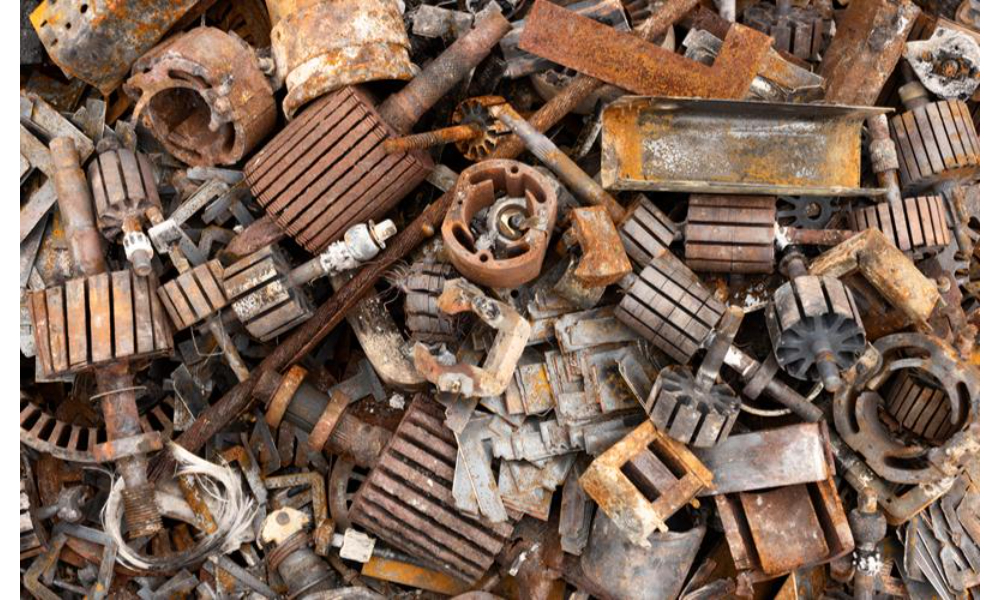
The automotive industry relies heavily on metals such as steel, aluminium, and copper to build everything from engine blocks to chassis components. When a car is manufactured, each process, particularly those involving CNC milling, creates byproducts that can be collected and reprocessed. Through recycling, these leftover materials are melted down, purified, and reintroduced into the production line.
This process helps manufacturers maintain a steady supply of quality metal while reducing dependency on new raw materials. It also minimizes the carbon emissions typically associated with mining and refining virgin metals. By keeping the materials in circulation, companies can produce more vehicles with fewer environmental costs.
The Financial and Environmental Benefits of Recycling
Metal waste recycling provides tangible financial benefits for automakers. When metal scraps are recovered from machining and assembly processes, they represent potential savings. Rather than paying for waste disposal, manufacturers can sell or reuse these materials. Over time, this approach reduces overall production expenses while improving operational efficiency.
From an environmental standpoint, recycling plays a critical role in reducing the automotive industry’s carbon footprint. It cuts down on the need for mining, which is not only energy-intensive but also environmentally disruptive. For instance, reusing aluminium requires only about 5% of the energy needed to produce it from ore. The same logic applies to other metals commonly used in car parts.
The Link Between Metal Fabrication and Recycling Efficiency
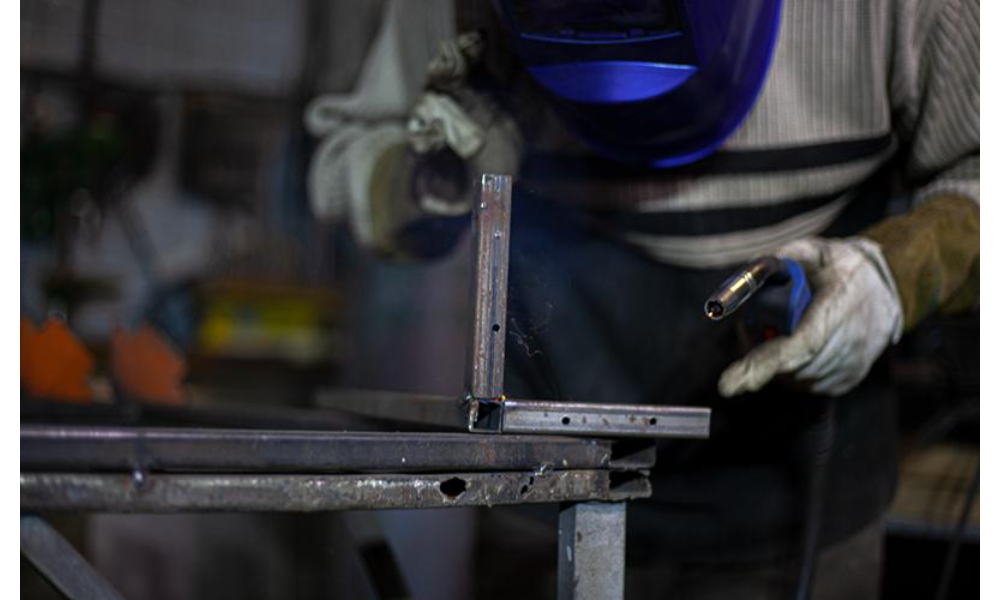
Metal fabrication processes are where recycling efforts truly shine. In modern automotive facilities, fabrication techniques such as welding, cutting, and forming produce offcuts and excess material. Instead of being discarded, these metal pieces can be efficiently sorted, melted, and recycled for reuse. The combination of advanced fabrication technology and recycling initiatives results in a more sustainable production cycle.
Additionally, innovations in metal fabrication have made it easier to design vehicle parts that can be disassembled and recycled more effectively at the end of a car’s life. This shift toward circular manufacturing means that automakers are now thinking beyond the initial build. They’re designing vehicles with their future recyclability in mind.
CNC Milling and Precision in Recycling Processes
CNC milling plays a central role in ensuring precision and consistency in automotive component production. Every part produced through this technique meets exact design specifications, which helps minimize waste from manufacturing errors. However, even in such controlled processes, metal chips and cuttings accumulate. Recycling these byproducts allows manufacturers to recover valuable material without compromising quality or performance.
Modern CNC milling machines are equipped with systems that automatically collect and separate metal waste for recycling. This not only helps maintain a clean workspace but also ensures that no useful material goes to waste. Over time, this approach leads to a more cost-efficient and environmentally responsible production line.
The Future of Sustainable Automotive Manufacturing
As global demand for vehicles continues to grow, automakers are embracing new technologies to keep their operations sustainable. Metal waste recycling, combined with advanced metal fabrication and CNC milling, will continue to play a pivotal role in shaping the industry’s future. Companies that invest in these practices aren’t just meeting environmental standards; they’re leading the way toward a more efficient and responsible form of manufacturing.
The next step for many automotive firms is integrating smart recycling systems that use sensors and data analytics to track material flow. By doing so, they can predict when and where waste will occur and adjust processes to minimize it before it even happens. This type of innovation will likely define the next era of car production.
Conclusion
Metal waste recycling has become a cornerstone of sustainable automotive manufacturing. From CNC milling precision to metal fabrication efficiency, every step of the process benefits from smarter resource management. As the industry evolves, these practices will continue to drive cost savings, reduce environmental impact, and improve overall production quality.
To learn more about sustainable manufacturing and recycling solutions, contact Disk Precision Group today.