

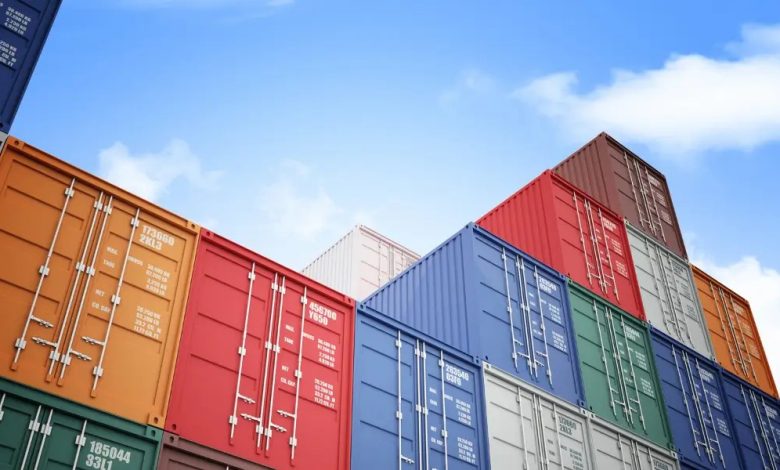
Finding a shipping container supplier that consistently delivers quality units for storage applications requires more than a quick internet search. Storage demands differ fundamentally from transit demands – a container bound for a warehouse yard must remain wind-and-watertight for years, not merely survive a single sea voyage. This article examines what defines a quality storage container, how reputable suppliers ensure their units meet that standard, and what buyers should verify before signing a purchase order.
Why Storage-Grade Quality Matters
A cargo container used purely for shipping endures controlled conditions: standardised port handling, regular inspections, and a finite journey. A container repurposed for storage, however, faces prolonged exposure to rain, humidity, temperature swings, and ground moisture. Without adequate protection, condensation forms inside the unit – a phenomenon known in the trade as container rain – which can damage electronics, paperwork, textiles, and machinery.
Quality storage containers address this through superior paint systems, intact door gaskets, well-maintained ventilation cowls, and floors free of rot or delamination. A reliable freight container dealer will grade each unit honestly and explain which containers are fit for long-term storage and which are better suited to short-term or single-use scenarios.
“We store archival documents in our containers year-round. The supplier recommended marine-grade sealant on every join and vented cowls on both side walls. Five years later, not a single box has suffered moisture damage,” says Kenneth Goh, facilities manager at a Singaporean legal consultancy.
Characteristics of a Quality Storage Container
Structural Integrity
The corrugated steel walls and roof panels should be free of deep dents, punctures, and through-rust. Minor surface oxidation is normal on used units, but any corrosion that penetrates the steel compromises the container’s water-tightness. Check the corner castings, which bear the full stacking load, for cracks or deformation.
Door Functionality
Storage containers are accessed frequently, so the doors must open and close smoothly. Inspect the hinge pins, cam handles, and locking rods. A quality industrial container will feature door gaskets that compress evenly when the doors are sealed, leaving no gaps for water or pests to enter.
Flooring Condition
Most containers use twenty-eight-millimetre marine plywood floors supported by steel crossmembers. For storage, the plywood must be intact – no soft spots, no delamination, and no signs of insect damage. Some suppliers offer steel or bamboo flooring upgrades for heavy-load or food-storage applications.
- Marine plywood: standard, cost-effective, suitable for most goods.
- Bamboo flooring: harder, more moisture-resistant, increasingly popular.
- Steel flooring: heaviest option, best for chemical or industrial storage.
How Reputable Shipping Container Suppliers Ensure Quality
Inspection Protocols
Serious storage container providers follow a documented inspection checklist before listing any unit for sale. This checklist covers the roof, walls, floor, doors, ventilation, and undercarriage. Units that fail key criteria are either repaired to standard or downgraded in classification. Buyers should request a copy of the inspection report and compare it against the physical condition of the unit.
Refurbishment Services
A strong shipping container supplier offers refurbishment for used units. Refurbishment may include shot-blasting to remove old paint and rust, applying a fresh anti-corrosive primer and topcoat, replacing damaged floor sections, and fitting new door seals. Refurbished containers cost less than new one-trip units while offering comparable weather protection for storage purposes.
Grading Systems
Most reputable suppliers use a grading scale. Grade A units are near-new with minimal cosmetic wear. Grade B units show moderate use marks but remain structurally sound and watertight. Grade C units may need targeted repairs. Always ask the supplier to define their grading criteria in writing, as the terminology is not universally standardised.
Matching the Container to the Storage Application
General Merchandise and Equipment
A standard twenty-foot or forty-foot dry container in Grade A or B condition meets most general storage needs. Ensure the unit has functional vents to reduce condensation, and consider adding a moisture-absorbing desiccant system for sensitive items.
Temperature-Sensitive Goods
Refrigerated containers – reefer units – maintain a precise temperature range. For pharmaceutical storage, cold-chain compliance documentation is essential. Verify that the refrigeration compressor has been serviced recently and that the power supply at your site matches the unit’s requirements.
Hazardous Materials
Storing chemicals or flammable goods introduces regulatory obligations. A knowledgeable container dealer will advise on bunding, ventilation, and signage requirements. Modified containers with spill-containment floors and explosion-proof electrical fittings are available from specialist suppliers.
- General goods: standard dry container with ventilation.
- Perishables: refrigerated unit with documented maintenance history.
- Chemicals: modified unit with bunding and compliant ventilation.
Budgeting for Quality
Cutting costs on the container itself often increases the total cost of ownership. A cheap unit with leaking seals damages stored goods; a unit with a failing floor demands early replacement. Compare the upfront price against the estimated service life, factoring in any refurbishment or modification costs. A slightly higher initial spend on a well-inspected unit from a reputable shipping container supplier nearly always pays for itself within the first two years.
Conclusion
Quality storage containers protect assets, reduce maintenance, and deliver years of dependable service. The role of the shipping container supplier is to source, inspect, and prepare each unit to a standard that meets the buyer’s specific storage requirements. By insisting on transparent grading, documented inspections, and honest advice, businesses ensure that every container they purchase performs exactly as intended – quietly, reliably, and for a very long time.