Tag: automotive manufacturing

  • The Role of Metal Waste Recycling in Automotive Manufacturing

    The Role of Metal Waste Recycling in Automotive Manufacturing

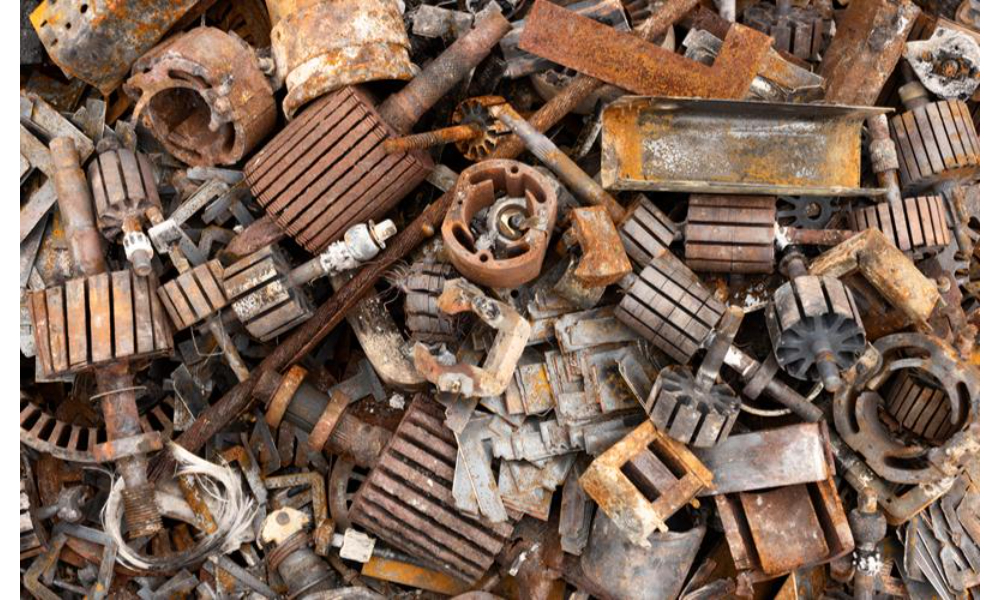
    In today’s automotive industry, efficiency and sustainability are no longer optional; they’re essential. Car manufacturers across the U.S. are under growing pressure to reduce environmental impact without sacrificing quality or performance. This is where metal waste recycling comes into play. Every stage of production, from CNC milling to final assembly, generates some level of scrap. Instead of letting these materials go to waste, recycling them has become a key part of modern manufacturing.

    Metal waste recycling isn’t just good for the environment. It also offers manufacturers a chance to save money, conserve resources, and streamline production processes. As the demand for electric vehicles and lightweight designs continues to rise, recycling provides an efficient way to source high-quality metals while maintaining consistent production standards.

    How Metal Recycling Powers Automotive Production

    The automotive industry relies heavily on metals such as steel, aluminium, and copper to build everything from engine blocks to chassis components. When a car is manufactured, each process, particularly those involving CNC milling, creates byproducts that can be collected and reprocessed. Through recycling, these leftover materials are melted down, purified, and reintroduced into the production line.

    This process helps manufacturers maintain a steady supply of quality metal while reducing dependency on new raw materials. It also minimizes the carbon emissions typically associated with mining and refining virgin metals. By keeping the materials in circulation, companies can produce more vehicles with fewer environmental costs.

    The Financial and Environmental Benefits of Recycling

    Metal waste recycling provides tangible financial benefits for automakers. When metal scraps are recovered from machining and assembly processes, they represent potential savings. Rather than paying for waste disposal, manufacturers can sell or reuse these materials. Over time, this approach reduces overall production expenses while improving operational efficiency.

    From an environmental standpoint, recycling plays a critical role in reducing the automotive industry’s carbon footprint. It cuts down on the need for mining, which is not only energy-intensive but also environmentally disruptive. For instance, reusing aluminium requires only about 5% of the energy needed to produce it from ore. The same logic applies to other metals commonly used in car parts.

    The Link Between Metal Fabrication and Recycling Efficiency

    Metal fabrication processes are where recycling efforts truly shine. In modern automotive facilities, fabrication techniques such as welding, cutting, and forming produce offcuts and excess material. Instead of being discarded, these metal pieces can be efficiently sorted, melted, and recycled for reuse. The combination of advanced fabrication technology and recycling initiatives results in a more sustainable production cycle.

    Additionally, innovations in metal fabrication have made it easier to design vehicle parts that can be disassembled and recycled more effectively at the end of a car’s life. This shift toward circular manufacturing means that automakers are now thinking beyond the initial build. They’re designing vehicles with their future recyclability in mind.

    CNC Milling and Precision in Recycling Processes

    CNC milling plays a central role in ensuring precision and consistency in automotive component production. Every part produced through this technique meets exact design specifications, which helps minimize waste from manufacturing errors. However, even in such controlled processes, metal chips and cuttings accumulate. Recycling these byproducts allows manufacturers to recover valuable material without compromising quality or performance.

    Modern CNC milling machines are equipped with systems that automatically collect and separate metal waste for recycling. This not only helps maintain a clean workspace but also ensures that no useful material goes to waste. Over time, this approach leads to a more cost-efficient and environmentally responsible production line.

    The Future of Sustainable Automotive Manufacturing

    As global demand for vehicles continues to grow, automakers are embracing new technologies to keep their operations sustainable. Metal waste recycling, combined with advanced metal fabrication and CNC milling, will continue to play a pivotal role in shaping the industry’s future. Companies that invest in these practices aren’t just meeting environmental standards; they’re leading the way toward a more efficient and responsible form of manufacturing.

    The next step for many automotive firms is integrating smart recycling systems that use sensors and data analytics to track material flow. By doing so, they can predict when and where waste will occur and adjust processes to minimize it before it even happens. This type of innovation will likely define the next era of car production.

    Conclusion

    Metal waste recycling has become a cornerstone of sustainable automotive manufacturing. From CNC milling precision to metal fabrication efficiency, every step of the process benefits from smarter resource management. As the industry evolves, these practices will continue to drive cost savings, reduce environmental impact, and improve overall production quality.

    To learn more about sustainable manufacturing and recycling solutions, contact Disk Precision Group today.
  • The Rising Demand for Hybrid Vehicle Production

    The Rising Demand for Hybrid Vehicle Production

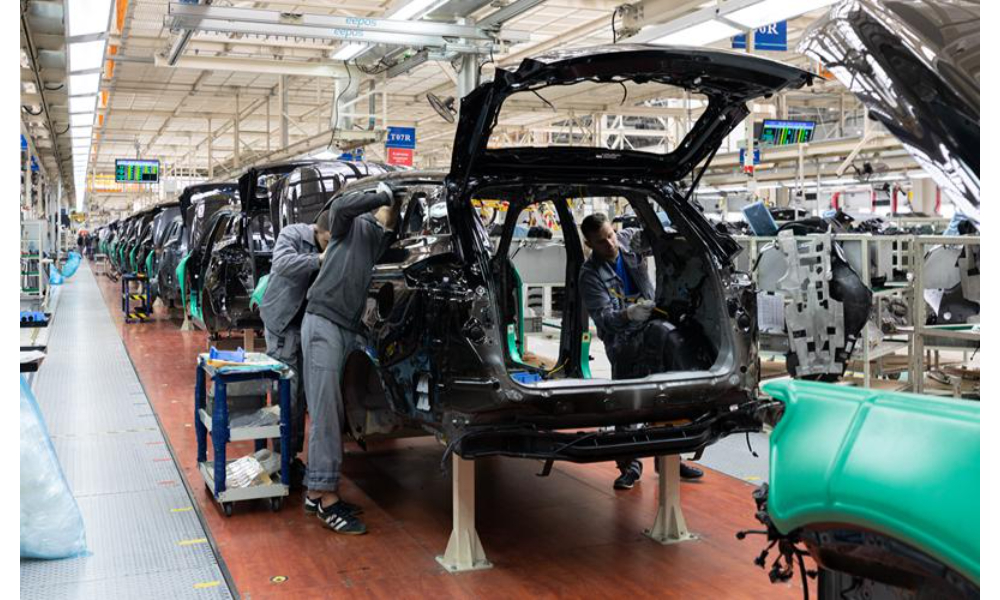
    In recent years, the global automotive industry has been shifting its focus toward sustainability and energy efficiency. Hybrid vehicles, which combine the benefits of traditional fuel engines and electric motors, are becoming increasingly popular among environmentally conscious consumers. This growing interest has led to a major rise in hybrid vehicle production across many countries, including Vietnam, where the manufacturing sector continues to evolve rapidly. Behind this transformation lies the vital role of advanced manufacturing technologies, especially those found in a CNC machine shop, which helps carmakers meet the precision demands of hybrid systems.

    What Drives the Popularity of Hybrid Vehicles

    Consumers today are more aware of the environmental impact of their choices. Rising fuel costs, stricter emission regulations, and growing concerns about climate change have pushed car manufacturers to innovate. Hybrid vehicles offer a middle ground between conventional gasoline cars and fully electric models, providing both improved fuel efficiency and reduced carbon emissions.

    In Vietnam and other parts of Asia, governments are encouraging green mobility through tax incentives and infrastructure support. As a result, more car manufacturers are investing in hybrid models to meet both local and export demands. However, producing these vehicles is not as simple as it seems. Each component, from the engine to the battery housing, requires exceptional precision and consistency to function flawlessly together. This is where automotive machining comes into play, ensuring that every part meets the tight tolerances necessary for hybrid technology.

    The Role of Advanced Manufacturing in Hybrid Vehicle Production

    Manufacturing hybrid vehicles involves an intricate combination of mechanical and electrical components. Each part must work seamlessly within a limited space while maintaining high performance and reliability. Traditional manufacturing methods often fall short of these requirements. That’s why companies increasingly rely on high-tech machining processes that can deliver accuracy at scale.

    A modern CNC machine shop is essential in this process. Using computer-controlled equipment, engineers can design and produce parts with incredible precision. From engine blocks to transmission components, CNC machining ensures that hybrid vehicle systems are built to perfection. This technology also allows for quick adjustments in design, helping manufacturers keep up with the rapid evolution of hybrid technology.

    How Automotive Machining Supports Innovation

    The backbone of hybrid vehicle production is precision engineering. Automotive machining plays a crucial role in this area by allowing manufacturers to produce complex parts with minimal errors. For example, the integration of electric motors into combustion engines requires highly detailed components that traditional machining might not achieve efficiently.

    With advanced equipment, such as multi-axis CNC machines, manufacturers can produce intricate parts that support high-performance hybrid drivetrains. Automotive machining also contributes to lightweighting efforts, which are vital for improving fuel efficiency. By using materials like aluminum or composite alloys and machining them precisely, carmakers can reduce vehicle weight without compromising strength or safety.

    Vietnam’s Growing Role in the Hybrid Vehicle Market

    Vietnam’s manufacturing sector is entering an exciting new phase, with several domestic and international companies investing in automotive technology. As global automakers look for cost-effective production hubs, Vietnam offers a promising environment due to its skilled workforce and expanding industrial infrastructure.

    Local suppliers and CNC machine shop owners are adapting quickly to meet international standards. They are investing in better equipment, training, and automation to serve the hybrid vehicle industry. This not only boosts Vietnam’s position in the global supply chain but also creates opportunities for high-value manufacturing jobs that contribute to the country’s economic growth.

    Challenges and the Road Ahead

    Despite the progress, challenges remain. Hybrid technology requires precision at every level, and even small deviations can impact performance. Manufacturers must maintain strict quality control while keeping production costs competitive. Additionally, as the industry transitions toward more electric-focused solutions, suppliers will need to stay flexible and embrace continuous innovation.

    This evolution will continue to depend heavily on technologies such as CNC machining and precision manufacturing systems. The more advanced these processes become, the better equipped manufacturers will be to meet future automotive demands.

    Conclusion

    The rise of hybrid vehicle production reflects a larger shift toward a more sustainable and efficient automotive industry. From concept to assembly line, every stage depends on precision engineering and advanced manufacturing. The capabilities offered by a CNC machine shop and the expertise behind automotive machining are driving this transformation forward, helping manufacturers build cleaner and smarter vehicles for the modern world.

    Contact Disk Precision Group to learn more about how advanced manufacturing can enhance your automotive projects.