

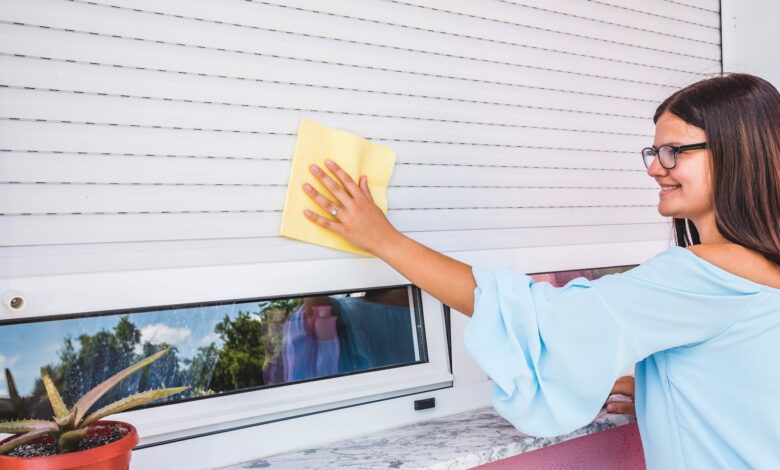
It is always advisable that you clean and maintain your window treatment Boca Raton FL in order to have a clean and beautiful look in your home. It is very important to consider the life span of your window treatments. Here’s a detailed guide on how to clean and maintain various types of window treatments.
- Blinds
- Wood Blinds:
After your window installation Boca Raton, the maintenance of your covering is important. Do not use ammonia or acidic products to clean your wood blinds, this will cause discoloration, instead, use a dry cloth, feather, or vacuum cleaner with soft bristles. Clean using warm water, soapy water and damp with cloth before drying the slats as soon as you can in order to avoid warping.
- Faux Wood Blinds:
Seems very logical and helpful for proper window care particularly if you have experienced Window repair Boca Raton, for daily cleaning it is advisable to dust the surface using a microfiber cloth, vacuum cleaner or simple rubbing using cloth. Consequently, the best alternatives are warm water and mild soap to avoid harming the clothing and spending more time and effort washing them. Make sure the window is well rinsed hence remove any excess water through drying.
- Aluminum and Vinyl Blinds:
Also, do not use any harsh detergents to wash them, instead clean them using a dusting cloth or vacuum cleaner on a regular basis. Take the blinds and remove them then soak them in a tub, with water mixed with a small portion of the dish-washing soap. This also applies when washing a fabric curtain as you need to ensure that you rinse and dry the curtain before rehanging.
- Shades
- Cellular (Honeycomb) Shades:
Make use of vacuum cleaner with the brush attachment or using a hairdryer at cool. Use a mild detergent plus a damp sponge. Avoid saturating the fabric.
- Roller Shades:
Cleaning has remained a crucial factor in maintaining health as demonstrated by the following measures: Dust with a feather or vacuum cleaner. For cleaning them, one can use a damp cloth together with a mild bar of soap. Avoid harsh chemicals.
- Roman Shades:
One of the best methods of cleaning this is by using a vacuum that has an upholstery attachment. A gentle washing with warm water, a mild soap and water would do the job, just ensure that the cloth you use is damp not dripping wet. As for more delicate materials, the better way to clean them is to address the specialized cleaning services.
- Curtains and Drapes
To clean the leather look, use a vacuum with upholstery attachment to clear dust and dirt. First, the curtains should be taken out and opened to air and release any dust that has accumulated on them. Before going to wash the clothes, there is always an important feature that you need to consider and this is the care label. Machine wash with a delicate cycle, and cold water is ideal for washing your clothes; refrain from using a corrosive detergent if you can help it. Alternatively, you can air-dry the garments or use a gentle heat setting of the dryer. To avoid damaging slight fabrics, curtains or any other material that needs to be cleaned thoroughly, professional dry cleaning should be done.
- Sheer Curtains
It is recommended that you use a vacuum cleaner with a soft brush extension or just shake them out lightly. Some of the materials are actually stretchable and can be easily washed with a washing machine. Recommended wash cycle should be the delicate cycle or the cold water cycle with a gentle detergent. Hand wash and leave to dry in order to prevent shrinking and wrinkling.
- Shutters
- Wood Shutters: Clean it gently using a soft cloth or an air dusting device in the proper way. For harder stains you should clean it with a wet wipe and wash it with warm water immediately after.
- Vinyl Shutters: Dust regularly. Wash with mild detergent and water then rinse it thoroughly, dry. Dust often with a microfiber cloth Preferably, you should also dust your items often with a microfiber cloth.
Conclusion
In conclusion, one has to clean the curtains and blinds properly without bending them or washing them frequently, keep them away from direct sunlight, and act strictly according to the guidelines mentioned by the manufacturer. It should be pointed out that regular inspections should be conducted more frequently to look for problems such as frayed cords or bent slats in roller blinds, which make up a part of window treatments. There are basically rules as to how these should be cleaned: they should be cleaned gently, preferably with mild soaps; one should avoid using chemicals like bleach or highly acidic products that would be damaging to the fabric or the finish. Against direct sunlight exposure, you can consider using curtain and drape treatments which are commonly known as micro-suede, best window treatments, microfiber or UV protective paints. Lastly, it will be very important to adhere to the cleaning and care guidelines recommended by the manufacturer and що is pertinent to the specific window treatments. If you follow such practices, you are likely to see your curtains and blinds staying in perfect shape for many years.