
Top Trends in Steel Pipe tubes métalliques: What’s Shaping the Industry Today

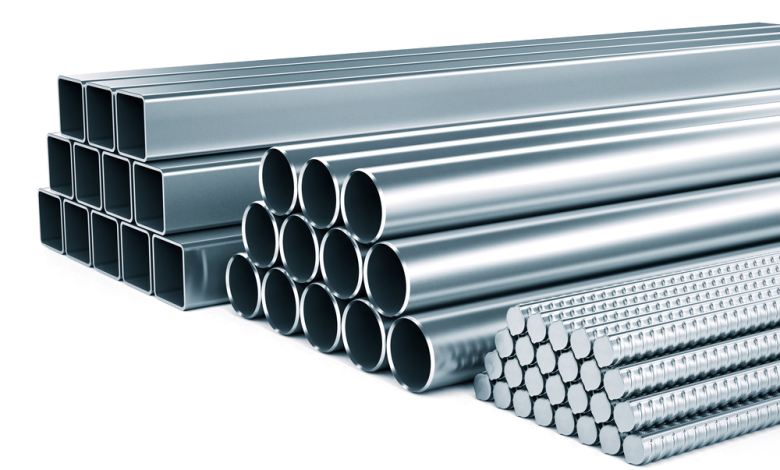
Steel pipes and tubes might not seem glamorous, but they form the backbone of global infrastructure, energy, and manufacturing. Today, the industry finds itself at a crossroads, balancing surging demand, technological leaps, and the ever-present pressure of sustainability.
Market Dynamics Driving Steel Pipe and Tube Demand
The heartbeat of the steel pipe and tube sector is closely linked to the rhythm of major industries. Every uptick in construction, a new energy project, or an infrastructure overhaul sends ripples through suppliers and fabricators alike.
Impact of Infrastructure and Construction Growth
Cranes on city skylines signal more than just new buildings; they reveal the surging appetite for steel pipes and tubes. Massive roadwork, bridges, tunnels, and commercial complexes all require robust piping for everything from structural foundations to drainage systems. This demand remains especially strong in North America, where governments are pursuing multi-billion-dollar infrastructure revitalization plans. These projects not only drive up consumption but also force suppliers to expand their inventories and diversify product offerings, with everything from thick-walled foundation piles to lightweight tubes for modular structures.
Influence of Energy Sector Developments
Oil and gas remain heavyweights in the steel tube arena. Pipelines, drilling equipment, and refineries all depend on high-spec steel tubes that can withstand punishing conditions. Additionally, the rise of renewable energy infrastructure, like wind farms and solar installations, is expanding the scope of applications for specialty steel tubes. Whether it’s transporting natural gas across continents or supporting a new solar array, the versatility and reliability of steel tubes make them indispensable in the energy sector.
Regional Demand Variations: North America Focus
While global factors matter, local realities shape the supply and demand equation. In North America, for instance, distributors like Stealth Pipe and Steel have thrived by offering a broad selection of both surplus and used products, tailored to projects in Canada and the northeastern United States. Regional variations in building codes, climate, and project scales mean suppliers must offer flexibility and rapid response to shifting requirements.
Innovations and Material Advances in Steel Tubes
Technology continues to redefine what’s possible for steel tubes, boosting performance and expanding their potential.
Evolution of Manufacturing Techniques
Modern production lines have moved beyond simple casting and welding. Techniques like electric resistance welding (ERW) and seamless tube creation now offer superior consistency and fewer defects. Precision controls result in tighter tolerances and better structural integrity, which means safer, longer-lasting pipelines and construction frameworks.
Introduction of High-Strength, Lightweight Alloys
Not all steel is created equal. The push for efficiency has led manufacturers to introduce high-strength, lightweight alloys that maintain durability but allow for thinner walls and reduced overall weight. This innovation is particularly valuable for projects where every kilogram counts, whether it’s for skyscraper frameworks or large-diameter water mains that need to be moved and installed in challenging environments.
Surface Treatments and Coatings Enhancing Durability
Corrosion is the enemy of longevity. Advances in surface treatments, from zinc galvanization to high-tech epoxy coatings, are extending the functional life of steel tubes. These improvements reduce maintenance costs and offer peace of mind, especially in harsh climates or when tubes are exposed to chemicals or moisture.
Supply Chain and Sustainability Challenges
Even the most advanced steel tube is only as valuable as its path from mill to jobsite.
Navigating Raw Material Availability and Pricing
Steel is subject to the whims of global commodity markets. Fluctuating prices for iron ore, energy, and transportation can cause headaches for both buyers and sellers. Smart suppliers maintain diverse inventories, including surplus and secondhand options, to cushion their customers against sudden cost spikes.
The Role of Surplus and Used Steel Pipes in Market Efficiency
An emerging trend is the embrace of surplus and used steel pipes. Far from being a compromise, these products can offer high quality at a reduced price, and with a smaller environmental footprint. Marketplaces such as Steel Pipe tubes métalliques highlight how reusing and repurposing stock can benefit both the bottom line and the planet.
Environmental Considerations and Recycling Initiatives
Sustainability has moved from buzzword to business imperative. Recycling steel not only conserves resources but also reduces emissions associated with new production. Leading distributors actively buy back used pipes, beams, and plates, seamlessly integrating recycling into their business models and helping clients meet their own environmental targets.
Customization and Services Shaping Customer Experience
In today’s market, selling steel tubes is no longer just about the product itself.
Tailored Cutting, Welding, and Finishing Services
Clients increasingly expect bespoke solutions. Custom cutting, welding, threading, and coating services can turn a generic steel tube into a project-specific component, streamlining installation and reducing waste.
Importance of Quality Assurance and Specification Compliance
Every project comes with stringent standards. Quality assurance processes, from precise measurements to advanced non-destructive testing, ensure that every pipe meets or exceeds expectations. This minimizes costly errors and delays on site.
Trends in One-Stop Solutions for Procurement and Fabrication
The days of juggling multiple vendors are fading fast. Suppliers who can provide a full suite of products and services, from pipes and beams to finishing and logistics, are winning loyalty. This one-stop approach simplifies procurement, accelerates timelines, and lowers total project costs.
As the steel pipe and tube industry evolves, those who adapt quickly, embracing new materials, services, and sustainable practices, will shape the industry’s future. The demand for reliable, efficient, and eco-friendly solutions has never been higher, and every innovation brings new opportunities for growth and leadership.