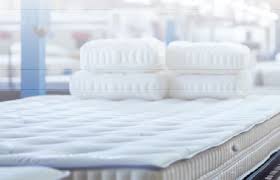
The shift towards smart technology is being felt across all industries. We see it in everyday life and in our homes, from the way we control the heating in our houses and even down to smart fridges. Within a sector like mattress manufacturing, there has also been a change in the way mattresses are designed and manufactured, implementing new technologies and fabrics to ensure smarter, safer, technical fabrics are used for a higher standard of final product. This high standard can be seen in the best mattress manufacturing suppliers, ensuring that contract bedding for hospitals, care homes, and hotels, alongside domestic mattresses, meet strict standards of safety but are also comfortable for the best night’s sleep.
Why does mattress manufacturing technology matter?
Sleep is important for every single person. Finding the right mattress for each individual promotes a good night’s sleep, helps to improve health and mental clarity, and can make all the difference to your wellbeing, ease back pain, overheating, and snoring, amongst other things. As technology continues to develop, smarter fabrics and textiles, and smart technology are being introduced into the mattress manufacturing process, including the following options for modern mattresses.
Smart mattresses
Smart mattresses are changing the game in the industry. High-tech smart beds utilise AI-technology to help with a few key features. This includes sleep tracking, with built-in sensors that can measure your heart rate, breathing, and sleep cycles. The longer you sleep on a smart mattress, the better the advice and the adjustments to make your sleep better and to improve your health.
Cooling technology
For hot sleepers, new technical fabrics can be used within mattress manufacturing processes to help with overheating during sleep. Mattresses that are designed to spread the heat, keep you cool and comfortable across all seasons and weather types are becoming ever-more popular as people realise they don’t need to suffer from overheating when sleeping. Phase-change materials such as foam layers and mattress covers, gel-infused memory foam, and breathable mattress textiles help to create a comfortable sleep.
Eco-friendly materials
Sustainability and eco-friendly materials continue to be an important and popular part of modern mattress manufacturing processes in 2026. The use of organic materials like cotton, latex, and wool provides non-toxic sleep solutions, with the use of recycled components, biodegradable foam, and other processes ensures that your choice of mattress is sustainable and forward-thinking.
Pressure-relieving materials
Pain relief and mattress manufacturing go hand-in-hand. For the healthcare sector in particular, mattresses that are designed to relieve pain, joint discomfort, and other physical injuries and ailments are vital to patient care. It allows for a transformative solution, whether a patient is in hospital for one night or a long-term resident in a care home.
The mattress manufacturing process is always changing. To meet new design aesthetics that are desired by the public, to meet evolving fire and other safety standards that are both national and industry-related, and to make the most of new technologies, such as smart technology. Balancing safety, comfort, and regulatory-compliance is always a challenge, but the best suppliers of mattresses, those with a history of maintaining key changes to mattress manufacturing processes, understand how to keep up with the times. Once you find the best mattress supplier for your needs, you can be sure that your mattresses are safe, smart, and comfortable.