

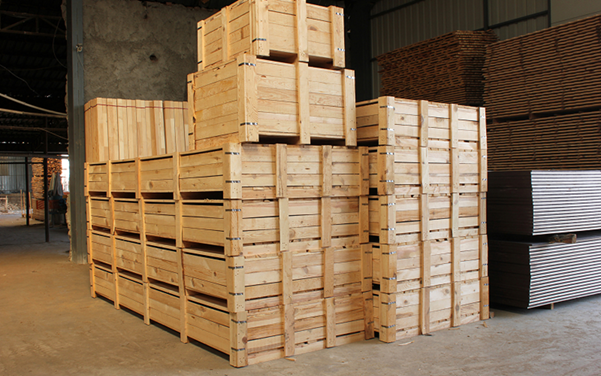
In logistics and transport, packaging is crucial in ensuring that goods reach their destination safely and efficiently. Despite the introduction of modern materials like plastic and metal, the wooden case remains a preferred choice across many industries. Its durability, versatility, and cost-effectiveness make it indispensable for businesses moving products domestically or internationally. Whether for industrial machinery, electronics, or fragile cargo, a wooden case continues to prove its worth in supply chains.
Strength and Durability in Every Shipment
One of the biggest reasons the wooden case continues to dominate logistics transport is its exceptional strength. Wood provides natural shock resistance, protecting goods from external impacts during handling, stacking, and transit. This level of protection is crucial when transporting heavy or irregularly shaped items that require custom support. The rigidity of wooden packaging makes it suitable for both land and sea freight, where vibrations and rough handling are common.
Durability also translates to reusability. Unlike cardboard or lightweight materials, wooden cases can withstand multiple trips when properly maintained by logistics providers. They repurpose them for various shipments, reducing waste and cost over time. Wooden packaging can be easily repaired or modified, extending its lifespan. Businesses prioritising sustainability often find this an eco-friendly alternative that balances strength with environmental responsibility.
Customisation for Different Cargo Needs
Another advantage of the wooden case in logistics transport lies in its flexibility. It can be customised to fit various sizes, shapes, and weight requirements. Manufacturers and exporters use tailor-made cases to secure delicate machinery, glass components, or industrial parts. By adapting the design to specific cargo dimensions, companies can minimise the risk of movement during transit and ensure a snug fit for maximum protection.
Customisation also extends to treatment and finishing options. Wooden cases used for international shipments are typically heat-treated to comply with international phytosanitary standards, preventing pest contamination. Some companies, such as Sin Chew Woodpaq, supply cases with moisture-resistant coatings to protect goods from humidity or seawater exposure. This adaptability ensures that businesses can meet both regulatory and environmental standards without compromising product safety.
Cost-Effectiveness and Availability
Cost is a major factor in logistics transport, and the wooden case offers an excellent balance between affordability and protection. Compared to metal or composite materials, wood is widely available and inexpensive to source. Its easy fabrication also reduces manufacturing time, which helps logistics companies maintain tight delivery schedules. For bulk packaging, wooden cases can be produced in large quantities without significantly increasing production costs.
Moreover, repair and reuse further enhance their economic value. When a wooden case suffers minor damage, businesses can easily replace specific panels or reinforcements instead of discarding the entire structure. This practicality makes it a cost-efficient packaging option for companies that ship regularly. In industries where freight costs are rising, using wooden packaging remains a reliable way to optimise expenditure while maintaining safety standards.
Environmental and Practical Advantages
Sustainability has become a key concern in logistics and transport, and wooden packaging aligns well with eco-conscious practices. Wood is a renewable material, and many suppliers source it from responsibly managed forests. At the end of its life cycle, a wooden case can be recycled into other products or used as biomass, reducing overall waste. This makes it a sustainable choice compared to plastic-based alternatives that often end up in landfills.
In addition to its environmental benefits, wooden packaging offers logistical advantages. It can be easily stacked, stored, and transported using forklifts or cranes, ensuring smooth handling throughout the supply chain. Its adaptability to temperature fluctuations also makes it suitable for both indoor and outdoor storage. For companies that value both efficiency and environmental responsibility, wooden cases remain a practical and reliable solution.
Conclusion
The wooden case continues to be essential in logistics transport due to its strength, versatility, and cost efficiency. Its ability to protect valuable goods, comply with regulations, and align with sustainability goals keeps it relevant in today’s competitive supply chain industry. By choosing trusted providers like Sin Chew Woodpaq, businesses can ensure their shipments remain secure, compliant, and environmentally responsible from start to finish.
Protect your cargo with durable and compliant wooden cases. Contact Sin Chew Woodpaq today for reliable packaging solutions in logistics transport.