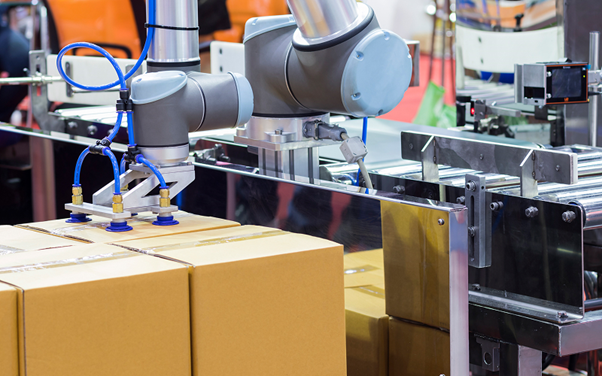

Automation continues transforming industrial packaging operations. Businesses adopting automated packaging systems gain measurable advantages in cost reduction, material control, and efficiency. These systems minimise human intervention and optimise every step, from wrapping to void fill, creating a more sustainable and productive process.
Streamlining Labour and Productivity
Manual packaging consumes time and requires multiple workers to handle repetitive tasks. Automated packaging eliminates these bottlenecks by performing precise and consistent operations. Machines handle tasks such as sealing, filling, and wrapping simultaneously, reducing dependency on manual labour. As production continues increasing, automation maintains speed and quality without additional workforce costs.
Companies adopting these systems experience reduced training expenses and fewer errors. Operators focus on managing processes rather than performing repetitive work, improving accuracy and consistency. Automation also supports continuous production schedules by reducing fatigue-related slowdowns, ensuring output remains constant throughout the day. The result is a leaner workforce achieving greater productivity.
Minimising Material Waste through Precision
Packaging operations often struggle with wasted materials due to inaccurate measurement or overuse. Automated packaging counters this by delivering precise amounts of materials for every package. Sensors and programmable systems control the amount of void fill and wrapping used, ensuring optimal protection without excess use of resources.
Businesses using automation achieve consistent packaging quality. Systems monitor every step, reducing product damage and rework caused by inefficient packing. Material control improves budget management and supports sustainability goals. The technology’s ability to calibrate exact material use directly translates into lower costs and less environmental impact. Efficiency in resource use also allows companies to align with global packaging standards promoting waste reduction.
Enhancing Safety and Reducing Physical Strain
Packaging tasks often involve repetitive motion and heavy lifting, leading to worker fatigue and injury. Automated packaging reduces this risk by managing physically demanding steps. Workers oversee operations instead of manually handling equipment. Improved ergonomics not only enhance safety but also reduce compensation costs related to workplace injury.
Automation systems feature built-in safety mechanisms and real-time monitoring to prevent malfunction or mishandling. Employees remain safe from exposure to cutting tools or moving parts, allowing them to focus on supervision and quality checks. The reduction in physical strain results in fewer absences, higher morale, and a more sustainable working environment.
Integrating Void Fill Systems for Efficiency
Void fill plays a crucial role in protecting goods during transport. Traditional methods use excess materials like foam or paper, often leading to waste and higher costs. Automated void fill systems deliver precise amounts of cushioning material for each package, maintaining protection without overuse.
Automated void fill systems operate in sync with packaging machines, adjusting the quantity according to product dimensions. The result is improved load stability, reduced material waste, and faster processing. Businesses experience significant savings on packing supplies and shipping weight, translating into lower logistics costs. Consistency in void fill application also enhances brand presentation by producing neat and professional packaging.
Supporting Sustainable Packaging Practices
Sustainability remains a driving factor for many industries. Automated packaging aligns with eco-conscious practices by reducing waste and energy consumption. Machines optimise material use, minimise product damage, and decrease reliance on disposable resources. Companies using automation demonstrate responsibility towards environmental conservation while achieving cost savings.
Integrating recyclable void fill materials further strengthens sustainability goals. Automation ensures these materials are dispensed efficiently, preventing unnecessary consumption. Businesses adopting this technology position themselves as forward-thinking, balancing profitability with ecological responsibility. Consistent use of automation reflects a long-term strategy for operational excellence and environmental stewardship.
Cutting Operational Costs for Long-Term Gains
Automation delivers long-term financial advantages. Reduced labour hours, fewer material losses, and faster processing create measurable cost savings. Packaging lines achieve higher throughput with less downtime, supporting steady output and profitability. Automation also provides data insights that help businesses track performance, identify waste points, and plan improvements.
Investment in automated packaging often produces a rapid return through operational efficiency. Machines operate continuously, reducing idle time and labour dependency. As productivity scales, businesses gain the flexibility to meet demand without compromising quality or incurring additional expense. The cumulative effect strengthens overall profitability and competitiveness in a demanding market.
Conclusion
Automated packaging systems transform how businesses manage resources, productivity, and sustainability. From precise void fill applications to reduced physical strain, automation delivers measurable results in efficiency and cost control. Companies embracing these technologies experience enhanced performance, reduced waste, and improved safety across operations.
Contact Sunstream Industries today for automated packaging in Singapore and discover how modern packaging solutions can reduce waste, lower labour costs, and optimise every production stage.